
 By
By 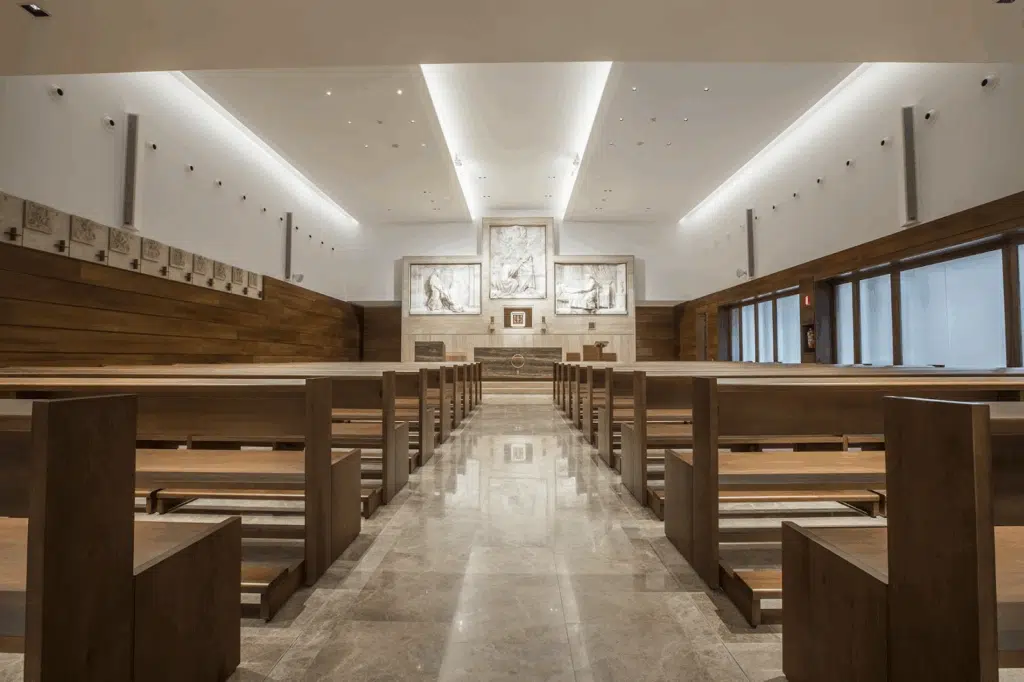
Church spaces have always reflected the beliefs, values, and culture of the congregations that gather within them. One of the most visible expressions of this identity is the furniture that fills the sanctuary and supporting spaces. From intricately carved wooden pews to minimalist seating and sleek altars, the choice between traditional and modern church furniture plays a significant role in how worship environments feel and function.
Understanding the differences between these two styles can help church leaders, architects, and committees make thoughtful decisions that respect heritage while supporting present-day needs.
The Hallmarks of Traditional Church Furniture
Traditional church furniture is deeply rooted in history. Often inspired by Gothic, Romanesque, or Colonial designs, this style emphasizes craftsmanship, permanence, and symbolism. Solid hardwoods such as oak, maple, or walnut are commonly used, and details like carved panels, decorative moldings, and rich stains contribute to a sense of reverence and solemnity.
For many congregations, traditional furnishings connect worshippers to generations past. Fixed pews, elevated pulpits, and classic communion tables reinforce a structured worship experience. This style is especially common in historic churches or congregations that value continuity and formal liturgical practices.
However, traditional furniture can come with limitations. Fixed layouts reduce flexibility, and heavier materials may require more maintenance over time. These factors often influence churches as they consider evolving needs.
The Rise of Modern Church Furniture
Modern church furniture reflects changes in worship styles, architecture, and community engagement. Clean lines, simplified forms, and lighter materials define this approach. Instead of ornate details, modern designs prioritize function, comfort, and adaptability.
Chairs that can be easily rearranged, modular platforms, and understated lecterns allow sanctuaries to transform for different services, events, or gatherings. Modern furniture often complements open floor plans and contemporary architecture, creating a welcoming environment for diverse congregations.
This style is particularly appealing to churches that host multiple types of services or community activities. While modern designs may appear less formal, they can still convey reverence through thoughtful proportions, quality materials, and intentional layout.
Balancing Tradition and Modern Needs
Many churches find themselves somewhere between these two styles. A blended approach can honor tradition while embracing practicality. For example, a sanctuary might feature a traditional altar paired with movable seating, or classic wood finishes combined with streamlined silhouettes.
When evaluating church furniture options, it’s important to consider more than appearance. Questions about acoustics, accessibility, comfort, and durability should guide decisions. The size of the congregation, frequency of events, and long-term vision for the space all matter.
Choosing the Right Style for Your Church
There is no universally “correct” choice when it comes to church furniture. The right style depends on the identity and mission of the congregation. Traditional furnishings may reinforce a sense of sacred continuity, while modern designs can support flexibility and outreach.
Ultimately, church spaces should foster worship, reflection, and community. Whether leaning toward classic or contemporary, selecting well-designed church furniture that aligns with these goals helps create an environment where congregations can gather meaningfully—now and for years to come.










Comments