
 By
By 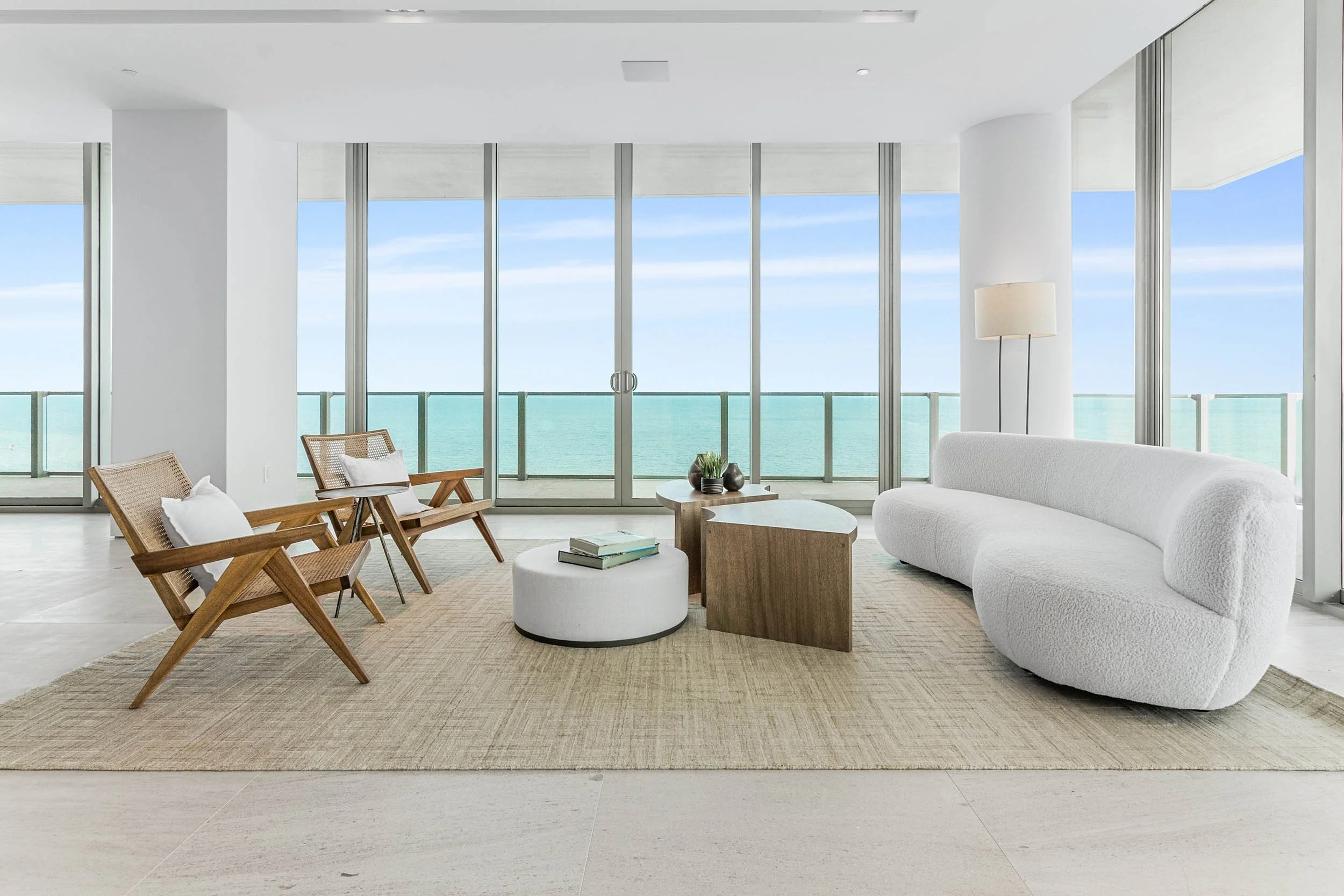
Living in Miami often means enjoying vibrant neighborhoods, waterfront views, and access to a dynamic urban lifestyle. However, many apartments-especially in high-rise buildings or popular areas-offer limited square footage. Furnishing these spaces requires balance. The goal is to create a comfortable, functional home without making the apartment feel cramped or cluttered.
Furnishing small apartments in Miami without overcrowding involves thoughtful planning, careful measurements, and a strong understanding of how space interacts with light, climate, and daily routines.
Start With a Clear Layout Plan
Before purchasing furniture, it’s important to evaluate the apartment’s layout. Many Miami apartments feature open-concept designs where the living, dining, and kitchen areas flow into one another. While this creates a sense of openness, it can also make it easy to overfill the space.
Begin by identifying:
- Main walking paths
- Natural focal points (windows, balcony doors, or views)
- Electrical outlet placement
- Areas with the most natural light
Sketching a simple floor plan-even roughly-can help visualize where larger pieces should go. Planning ahead reduces the risk of impulse purchases that may not fit comfortably.
Choose Properly Scaled Furniture
One of the most common mistakes in small apartments is choosing furniture that is too large. A deep sectional sofa or oversized coffee table may look appealing in a showroom, but in a compact Miami apartment, it can dominate the entire room.
Instead, look for:
- Apartment-sized sofas
- Slim-profile chairs
- Round or oval dining tables
- Narrow console tables
Furniture with exposed legs can also create a sense of openness because it allows light to pass underneath, making the room feel less heavy.
Proportion is everything. A well-scaled room feels intentional rather than crowded.
Prioritize Multi-Functional Pieces
In smaller spaces, every item should serve a purpose. Multi-functional furniture allows you to maximize usability without increasing visual clutter.
Examples include:
- Storage ottomans
- Beds with built-in drawers
- Expandable dining tables
- Nesting side tables
- Foldable desks
These pieces help reduce the need for additional standalone storage units, which can overwhelm limited square footage.
In Miami, where many residents live in condos or rental apartments, flexibility is especially important. Furniture that adapts to different needs-such as hosting guests or working from home-adds long-term value.
Keep Color Palettes Light and Cohesive
Color plays a major role in how spacious a room feels. Light, neutral palettes tend to reflect Miami’s natural sunlight and create a sense of airiness.
Soft whites, warm beiges, pale grays, and light wood tones are common in small Miami apartments. These colors enhance brightness and make walls appear farther apart.
Dark, contrasting tones can still be incorporated, but usually in smaller accents such as cushions or artwork. A cohesive palette prevents the room from feeling visually fragmented.
Because Miami receives strong sunlight, lighter colors also help maintain a cool and comfortable atmosphere.
Avoid Blocking Natural Light
Natural light is one of Miami’s greatest design advantages. Large windows and sliding glass doors can visually expand a small apartment-if they remain unobstructed.
To maintain openness:
- Avoid placing tall cabinets in front of windows
- Use low-profile furniture near glass doors
- Choose sheer or lightweight curtains
Allowing light to flow freely makes even compact apartments feel larger than they are.
If possible, position mirrors across from windows to reflect daylight deeper into the room.
Use Vertical Space Strategically
When floor space is limited, vertical storage becomes essential. Wall-mounted shelves, floating cabinets, and tall bookcases can increase storage capacity without taking up additional floor area.
However, balance is key. Overloading walls with too many shelves can create visual clutter. Instead, aim for organized, intentional placement.
Many residents consult online resources such as a website about furnishing homes in Miami to better understand how local apartments are typically arranged and how vertical space is used effectively in similar layouts.
Learning from real examples can help avoid common overcrowding mistakes.
Define Zones Without Adding Walls
In open-plan apartments, defining separate areas for living, dining, and working can be challenging. Instead of adding bulky dividers, use subtle design techniques:
- Area rugs to define seating zones
- Lighting fixtures to anchor specific spaces
- Furniture placement to create boundaries
For example, positioning a sofa with its back toward the dining area can visually separate the two spaces without adding physical barriers.
This method maintains openness while still creating structure.
Limit Decorative Clutter
Accessories add personality, but too many decorative items can make a small apartment feel chaotic. Instead of scattering numerous small objects, consider selecting a few meaningful pieces.
Large artwork on one wall often has more impact than multiple small frames. A single statement plant can be more effective than several small ones.
Minimal but intentional décor enhances style without sacrificing space.
Keep Walkways Clear
Flow is crucial in small apartments. Crowded walkways disrupt movement and make rooms feel smaller than they are.
Maintain clear paths between:
- Entryways and living areas
- Kitchen and dining spaces
- Bedroom and bathroom
Ideally, walkways should feel natural and unobstructed. Rearranging furniture slightly can sometimes create noticeable improvements in flow.
Embrace Gradual Furnishing
It can be tempting to furnish an entire apartment quickly. However, adding pieces gradually allows you to assess what is truly needed.
Living in the space for a few weeks provides clarity. You may discover that you don’t need an extra side table or additional seating after all.
This thoughtful approach prevents overcrowding before it starts.
Final Thoughts
Furnishing small apartments in Miami without overcrowding requires intention, restraint, and an understanding of space dynamics. By choosing appropriately scaled furniture, maximizing natural light, using vertical storage, and limiting clutter, even compact apartments can feel open and inviting.
In a city known for brightness and coastal ease, thoughtful design ensures your home reflects that same sense of balance and comfort-no matter its size.











Comments