
 By
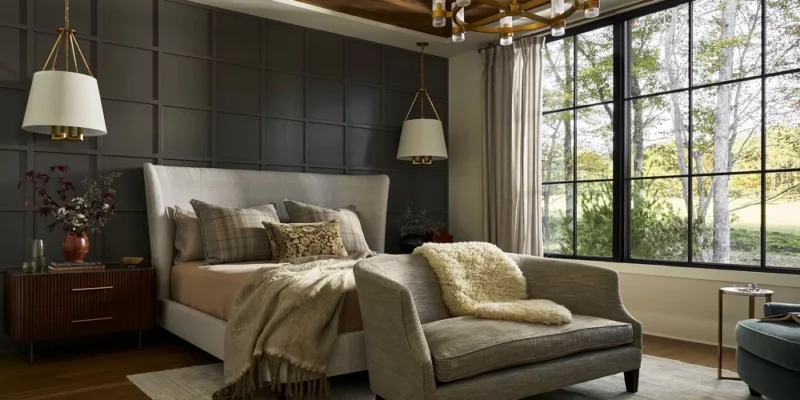
Most homes end up with a single window type repeated in every room. A builder picks one style, orders it in bulk, and the same sash shows up over the kitchen sink, beside the bed and in the bathroom. It looks tidy from the street. Inside, every room asks something different of its windows. A kitchen needs a window you can open with one hand while leaning over a counter. A bedroom needs a way out in an emergency. A bathroom needs privacy and some way to let damp air escape. Treating them all the same means giving up comfort and safety that cost nothing extra to get right.
Many replacement projects in Northeast Georgia now start from that room-by-room view. Homeowners around Statham, Athens and Winder who plan upgrades with The Window Pros LLC can choose from double hung, single hung, sliding, casement and bow windows, with doors, siding and sunrooms handled by the same family owned team that has been installing for more than 20 years. Having that range in one place makes it easier to pick a different style for each room and keep the outside of the house looking consistent.
Before getting to individual rooms, it helps to separate two decisions. The style decides how a window opens. The glass decides how it performs. In a warm, humid climate, how much solar heat the glass lets in matters as much as how well it insulates, and the ENERGY STAR guidance on residential windows explains how ratings change by climate zone. Keep that in mind as you match styles to rooms, because a sunny west wall needs better glass whatever style you put there.
The Kitchen Rewards a Window You Can Reach
The window over the sink is one of the hardest in the house to use. You stand at the counter, lean over the faucet, and try to lift a heavy sash with your arms fully extended. Most people give up and leave it shut.
A casement window solves this. It opens with a crank at the bottom of the frame, so all it takes is a quick turn of the wrist. The sash swings outward and catches a passing breeze, which helps clear cooking steam on muggy evenings. When it closes, the sash presses against the weatherstripping, so it tends to seal tightly.
Where the opening above the counter is wide and short, a sliding window works well too. It glides sideways with a light push and has few parts to wear out.
Living Spaces Can Afford to Show Off
Living rooms and family rooms are where people sit and look outside, so this is the place for a window that does more than ventilate. A bow window, made of several panels set in a gentle curve, pushes out past the wall and makes room for a deep sill, a reading seat or a row of plants. It also pulls in light from several directions over the course of the day.
A bow window needs proper support underneath and a weathertight cap above, so it is more of a construction project than a simple swap. If the room faces west, put the money into low solar gain glass first. Otherwise, the late afternoon sun can make the best seat in the house the hottest one.
Bedrooms Carry a Safety Requirement
Bedrooms are the one place where window choice is partly a code question. Under the residential building codes most U.S. jurisdictions follow, a sleeping room needs an emergency escape opening that a person can climb through. Many homeowners don’t realize that the style of window changes how much of the frame actually opens.
A double hung window only opens halfway, because one sash slides past the other. A casement of the same size can open almost completely. So a casement can meet the escape requirement in a smaller wall opening, which helps in rooms with limited wall space.
Before ordering bedroom windows, it is worth confirming a few details with your installer or local building department:
- The net clear opening, which is the open space you can actually pass through, not the overall frame size
- The minimum clear height and width of that opening
- How high the sill sits above the floor, since a sill that is too high is hard to climb over
- Whether the screen pops out quickly without tools
These numbers matter during a real emergency, not just at inspection time. Federal preparedness guidance on planning a home fire escape recommends knowing two ways out of every room, and in most bedrooms the second way out is the window.
Upstairs rooms used by young children need extra thought. Double hung windows allow a simple habit here: keep the bottom sash locked and open the top one for air. Window opening control devices, which limit how far a sash opens but can be released by an adult, give another layer of protection without blocking the escape route.
Bathrooms Balance Privacy and Moisture
Bathroom windows have to provide privacy, let in light and handle humidity all at once. Obscure or textured glass lets daylight in and keeps views out, so you can skip blinds that collect mildew. When glass sits close to a tub or shower, codes usually require tempered safety glass, which breaks into small pieces instead of sharp shards.
Frame material matters more here than in drier rooms. Vinyl and fiberglass hold up to repeated condensation better than bare wood. A window you can open helps clear steam after a shower, but it should support an exhaust fan, not replace one. In a Georgia summer, outdoor air can be wetter than the air you’re trying to get rid of.
Working Rooms Need Simple Hardware
Laundry rooms, garages, basements and mudrooms rarely need a statement window. They need something that opens easily, closes securely and won’t jam after a few years of dust and lint. Sliding windows fit these rooms well because their wide, low openings suit the high walls of a basement or the space above a utility sink. Single hung windows, where only the bottom sash moves, are another sensible choice. With fewer moving parts, they usually cost less, and that saving can go into better glass in the rooms you actually spend time in.
Sunrooms Change the Math Entirely
A sunroom is mostly glass, so window choices there affect comfort more than in any other room. Without good glass, a south or west facing sunroom can become too hot to use from June through September. Operable windows on opposite walls allow cross breezes in spring and fall, before the air conditioning comes on. Good screens matter too, since Georgia’s spring pollen season can coat every surface yellow in a few days.
Keeping Variety From Looking Like a Patchwork
The usual worry about mixing window styles is that the house will look mismatched from the curb. It doesn’t have to. Keep frame colors identical across the whole house, line up the tops of windows on each floor at the same height, and repeat one grille pattern, or none at all, on every elevation. With those three things consistent, casements in the kitchen, a bow in the living room and double hung windows in the bedrooms will look like a deliberate design. Each room gets a window that suits how it’s used, and the outside of the house still looks unified.




Comments