
Debunking 5 Misconceptions About Feng Shui for Houses
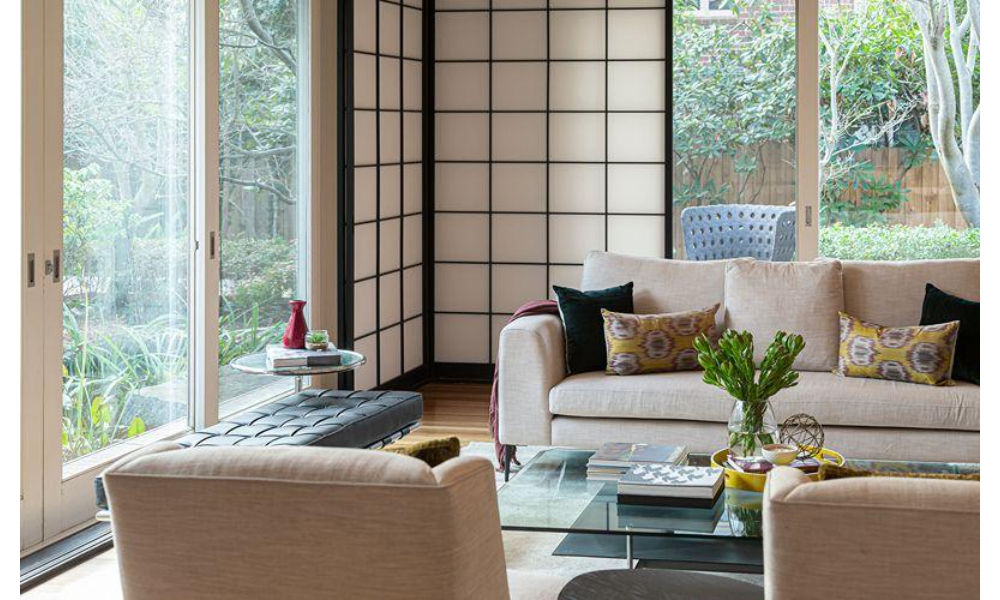
Many people think they understand feng shui, yet much of what’s shared today drifts far from its original intent. The practice isn’t about superstition or chasing lucky corners; it’s a thoughtful approach to shaping the energy within your home. Before adjusting furniture or buying charms, it’s better to know what truly drives harmony. Applying feng shui for a house in Singapore focuses on how spatial flow, light, and balance influence daily life, not on decorative fixes or rituals. Let’s uncover the real meaning behind these long-held misconceptions and see how they can transform the way you live.
1. Feng Shui Is All About Luck
A common misunderstanding is that feng shui revolves around attracting luck through lucky charms or fixed furniture directions. It’s easy to see why plenty of myths suggest that a certain placement of your bed or desk guarantees prosperity. In truth, feng shui for a house in Singapore is less about superstition and more about the movement of qi, or energy.
It studies how natural elements, structure, and design affect the flow of energy that shapes mood and focus. When a room allows qi to circulate freely, it nurtures comfort and balance, which feel far more sustainable than chasing “lucky spots.”
2. You Need Expensive Décor to Achieve Balance
Many believe that creating good feng shui requires pricey crystals, rare ornaments, or elaborate water features. The truth is, the most powerful changes usually cost nothing. Practical feng shui tips for the home focus on decluttering, arranging furniture for smooth flow, and maintaining good lighting and ventilation.
Even small steps, like clearing blocked pathways or allowing natural light in, can improve energy circulation. These everyday actions bring more genuine harmony than relying on decorative “cures.” The philosophy values simplicity, balance, and mindful awareness. Not extravagance.
3. Feng Shui Must Follow Strict Rules
Another widespread belief is that feng shui demands strict adherence to textbook layouts. People sometimes think every item must be positioned according to rigid charts or compass directions. Yet, authentic feng shui thrives on flexibility. Applying feng shui to a house in Singapore is about tailoring principles to suit each space and lifestyle.
What benefits a condo may not apply to a terrace home. The goal is to adapt and balance energy, not to create a flawless model. When a space feels tense or stagnant, small adjustments, like rearranging furniture or improving ventilation, can naturally shift its energy. True feng shui adapts to you, not the other way around.
4. It’s Outdated in Modern Homes
Some dismiss feng shui as an ancient concept irrelevant to modern living. In reality, its core principles align perfectly with urban life. With Singapore’s compact flats and bustling energy, spatial balance is more essential than ever.
Modern feng shui tips for the home focus on practical design elements such as airflow, lighting, and clutter control. They enhance comfort and calm amid today’s fast-paced routines. By observing how your surroundings influence your mood and productivity, you apply feng shui in a fresh, relevant way that supports modern well-being. The wisdom remains timeless; it simply evolves around your environment.
5. Feng Shui Is a One-Time Effort
Many treat feng shui as a single project. Once arranged, forever balanced. However, energy doesn’t stay still. Life changes, habits shift, and spaces evolve. A harmonious home requires regular attention, not rigid completion.
Practising feng shui for a house in Singapore means staying aware of how your environment feels. When a corner starts getting cluttered or lighting turns harsh, it may be time for an adjustment. These small, ongoing tweaks keep the home’s energy aligned with your needs and routines. Feng shui isn’t an event; it’s a mindful, continuous practice.
Conclusion
Feng shui goes beyond superstition and outdated rules. It’s a living philosophy that shapes how energy flows through your home, influencing clarity, comfort, and balance. When these misconceptions are set aside, feng shui becomes less mystical and more meaningful.
Applying feng shui tips for the home encourages ongoing awareness and intentional living. It’s about designing a space that truly feels aligned with who you are and how you live.
Contact Yuan Zhong Siu to explore feng shui guidance tailored to your home and lifestyle in Singapore.