Improving Accessibility in Urban Parking Spaces
As cities continue to grow, the demand for convenient and accessible parking becomes increasingly important. Urban parking spaces must be designed to accommodate a wide range of users, including people with disabilities, elderly drivers, families with young children, and individuals with mobility challenges. Improving accessibility in parking areas ensures that everyone can move safely and comfortably within busy urban environments. urban parking striping ideas can help create clearer layouts, designated accessible spaces, and better traffic flow, making parking areas easier and safer for all users.
Provide Designated Accessible Parking Spaces
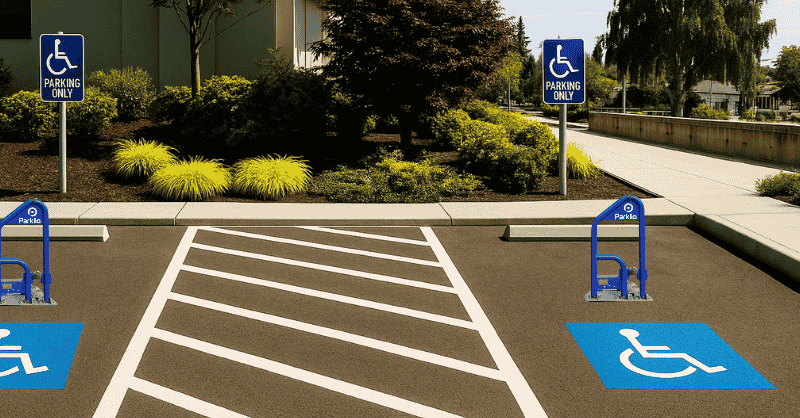
One of the most important steps in improving accessibility is providing clearly marked accessible parking spaces. These spaces should be located close to building entrances, lifts, or pedestrian pathways to reduce the distance people need to travel. Accessible parking spots are usually wider than standard spaces to allow room for wheelchairs, mobility aids, and vehicle ramps. Clear signage and ground markings help drivers easily identify these spaces.
Ensure Smooth and Safe Pathways
Accessibility does not stop at the parking space itself. Pedestrian pathways connecting parking areas to entrances should be smooth, well-maintained, and free from obstacles. Ramps, curb cuts, and level surfaces help individuals using wheelchairs, walkers, or strollers move comfortably. Properly designed pathways ensure a seamless transition from the parking lot to nearby buildings or public areas.
Improve Lighting and Visibility
Good lighting is essential for safety and accessibility in urban parking spaces. Well-lit parking areas help drivers see markings clearly and make it easier for pedestrians to navigate safely, especially during the evening or early morning hours. Bright lighting also improves visibility around accessible spaces, making them easier to locate and reducing the risk of accidents.
Use Clear Signage and Markings
Clear signage plays a major role in helping drivers understand where to park and how to move through a parking area. Accessible parking spaces should be clearly labelled with universally recognised symbols. Directional signs guiding drivers to accessible spaces can also reduce confusion and save time. Consistent and visible markings help ensure that parking areas are organised and easy to navigate.
Integrate Smart Parking Technology
Modern technology can further enhance accessibility in urban parking environments. Smart parking systems can display available spaces in real time, allowing drivers to quickly find accessible spots. Mobile apps and digital displays can guide users directly to the nearest available parking space, reducing stress and unnecessary driving around crowded areas.
Promote Inclusive Urban Planning
Accessibility should be a priority in urban planning. City planners, architects, and developers should consider the needs of all users when designing parking facilities. By including accessible features from the beginning, cities can create more inclusive spaces that support mobility, independence, and safety for everyone.
Conclusion
Improving accessibility in urban parking spaces is essential for creating inclusive and functional cities. By providing designated accessible spaces, safe pathways, proper lighting, clear signage, and modern technology, urban parking areas can serve a wider range of users effectively. Thoughtful design not only improves convenience but also ensures that everyone can navigate city environments with greater ease and confidence.