
What Is a Murphy Bed and How Can It Help You Save Space at Home?
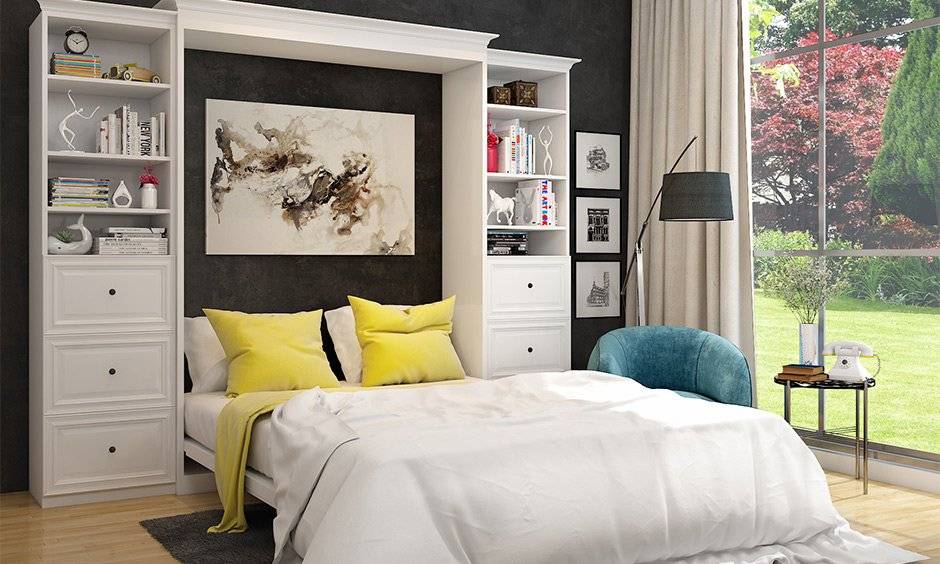
If you’ve ever wished your home could magically expand when you don’t need the bed, you might love the idea of a Murphy bed. It’s sometimes called a wall bed or fold-down bed, is hinged at one end so you can easily fold it up into the wall or a cabinet when it’s not in use. That way, your room instantly feels more spacious and flexible.
The name “Murphy bed” comes from William Lawrence Murphy, he applied for patents around the early 1900s after inventing a bed that could be tucked away to transform a one-room apartment into a parlour by night.
These days, Murphy beds have come a long way. They’re no longer just a clever folding bed; many models are built to blend in with your interior, offering storage, cupboards or even integrated desks — perfect for homes where every square metre counts.
Why People Choose a Murphy Bed
When space is tight, every square metre counts. That’s exactly why so many people are turning to Murphy beds. These clever fold-away beds don’t just save room, they transform it, letting you use the same space for sleeping, working, or relaxing. Let’s take a closer look at why a Murphy bed might be the perfect fit for your home.
1. Dramatic Space-Saving for Small Homes
If you live in a compact apartment, a studio, or just want to make the most of a spare room, a Murphy bed can be a game-changer. Folding it up can free a lot of usable floor space.
For example, a standard bed, especially a queen or double size, occupies a large portion of a room. When it’s tucked away, that space becomes usable for other purposes: a home office, workout area, dining zone or even just extra living space.
In a small 300–500 sq ft apartment, getting rid of a permanently open bed can make the difference between a cramped space and a room that actually feels open and flexible.
2. Turn a Single Room into Multiple Spaces
One of the biggest perks is versatility. With a Murphy bed, a single room can serve as:
- A bedroom at night
- A home office or study by day
- A living space for relaxing or entertaining
- A guest room when visitors come
This kind of flexibility is particularly appealing for students, young professionals, small‑home dwellers, or anyone juggling multiple uses for the same space.
Some Murphy‑bed models go even further — incorporating desks, shelving or storage so that when the bed is up, you have a functional workstation or storage wall instead of just empty space.
3. Comfort and Style — Not Just a Makeshift Bed
Unlike basic sofa‑beds or futons, a good Murphy bed can hold a standard mattress, meaning you don’t have to compromise on comfort or sleep quality.
When folded up, many designs look like sleek cabinets or wardrobes, helping the room stay clean, uncluttered, and stylish. It can make a big difference if you care about how your room looks and feels.
Some modern wall beds even come with refined features like smooth folding mechanisms, integrated cabinetry, and high‑quality materials — far from the bulky, clunky folding beds of the past.
Things to Know — It’s Not Always Perfect
As brilliant as Murphy beds can be, they aren’t perfect for every situation. Here are some of the trade‑offs you should think about before diving in:
- Installation requirements: A proper Murphy bed needs a sturdy wall or robust cabinetry for secure anchoring. That often means hiring a professional or at least ensuring you have the right structural support.
- Everyday upkeep & convenience: Folding and unfolding isn’t always as effortless as it sounds. Bedding — sheets, pillows, blankets — might need rearranging each time. Some people find that a bit of a hassle, especially if they use the bed daily.
- Cost: Conventional beds can be much cheaper than good-quality Murphy beds. Quality wall beds with sturdy frames and reliable mechanisms tend to cost more, especially when you add installation fees.
- Durability & safety: Because they fold and unfold repeatedly, Murphy beds may experience more wear over time compared with standard beds. In rare cases, improperly installed or defective units have caused safety incidents — which means installation and regular maintenance are important.
- Not ideal if you have lots of extra furniture or a spacious home: If you already have enough room for a full bed, wardrobe, and extra furniture, the space-saving benefit may not outweigh the cost and complexity.
Who Actually Benefits Most from a Murphy Bed
If you’re wondering whether a Murphy bed suits your lifestyle, here are the kinds of people or situations where it tends to work best:
- People living in small apartments, studios or homes with limited space — especially if you want each room to serve multiple roles.
- Students, young professionals or remote workers — folks who might want to switch between studying/working during the day and sleeping at night without sacrificing space.
- Anyone who hosts guests occasionally but doesn’t have a dedicated guest room — a Murphy bed can turn your living room or office into a guest bedroom when needed.
- Homeowners who value a clean, minimal interior design and don’t want a bulky bed dominating the room because folded up, a Murphy bed often looks like a cabinet or wardrobe.
In short: if your space is tight, or you want flexibility in how you use each room, or you care about making your home feel bigger than it really is — a Murphy bed could be a very smart choice.
A Bit of Background: Where Murphy Beds Came From and Why They Matter
The concept of a fold-up bed predates the modern Murphy bed. Way back in the 18th century, there were “bureau bedsteads” — beds that looked like furniture (like a dresser) when folded up.
Still, it was William Lawrence Murphy who made the fold‑away bed famous. His design, developed around the turn of the 20th century, allowed him to turn his small apartment’s bedroom into a living or entertaining space — a neat workaround for small‑space living.
Murphy beds gained popularity, especially in urban areas, boarding houses, or among people living in cramped apartments. Over time, as homes became larger and more spread out, demand dipped.
Lately, though, there’s been a revival. With more people living in smaller flats, working from home, or valuing flexible, multifunctional living spaces, Murphy beds are getting renewed interest. Modern versions now feature sleek cabinetry, storage, integrated desks and contemporary finishes.
In fact, some estimates suggest the global market for fold‑down/wall beds (including Murphy beds) is sizeable — underlining how many people are looking to these solutions to “make more room” in their homes.
When a Murphy Bed Makes Sense — and When It Might Not
Here’s a simple decision‑style breakdown:
Go for a Murphy bed if you
- Live in a small apartment, studio, or home with limited floor space
- Want a room that can do more than just “sleeping” — e.g. work, study, lounge, entertain
- Occasionally host guests, but don’t have a dedicated guest room
- Prefer a minimalist, uncluttered, flexible home setup
Maybe skip it if you
- Already have ample bedroom space and don’t care about transforming rooms
- Prefer a permanently made bed and dislike folding/unfolding every day
- Have limited wall structure or can’t commit to reliable installation
- Are on a tight budget, and simplicity is more important than flexibility
Final Thoughts — A Smart Choice for Modern Living
A Murphy bed is a space‑saving device, a room transformer, and a clever piece of design that makes small spaces live larger. If you live in a tight apartment, or want a guest bed without dedicating a whole room, or just love the idea of switching a room from “office” to “bedroom” at the flick of a mechanism, a Murphy bed could easily become one of the best pieces of furniture in your home.
On the flip side, it’s not a “set and forget” solution: you’ll need the right space, possibly a good budget, and willingness to adapt, but for many, that trade‑off is more than worth it.