
 By
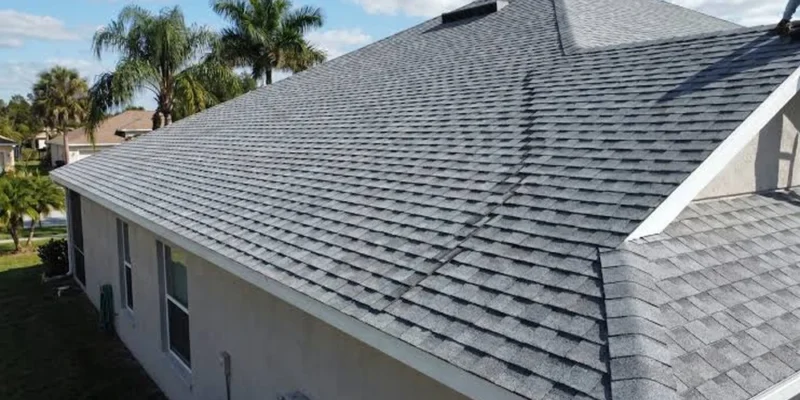
Florida roofing materials face several competing demands. A roof must resist powerful wind uplift, manage heavy rainfall, and tolerate prolonged sunlight without allowing moisture into the building. The right material depends on roof slope, structural capacity, location, and maintenance expectations rather than appearance alone.
Building type also changes the decision. A single family home with a steep roof may accommodate asphalt shingles, metal panels, or concrete tiles, while a shopping plaza with a broad, low slope roof typically requires a continuous waterproofing membrane. Along Florida’s Atlantic coast, salt exposure and wind driven rain add further complications.
For homeowners comparing Shingle Roof, Metal Roof, and Tile Roof options, Titan Roofing Of Florida provides installation, repair, and replacement services across Brevard County and surrounding Florida communities. Its services also include Modified Bitumen & TPO Roofing for residential and commercial properties. Property owners can request a roof inspection to assess structural conditions, existing damage, and suitable roofing materials before choosing a system.
Roof Materials and Their Best Building Applications
| Roof material | Best fit building | Main trade off |
|---|---|---|
| Asphalt shingles | Single family homes with pitched roofs | Accessible repairs but vulnerable to heat aging and wind damage |
| Metal roofing | Coastal homes and pitched commercial buildings | Lightweight and durable but requires corrosion resistant detailing |
| Concrete or clay tile | Homes with adequately supported roof framing | Excellent sun tolerance but considerable structural weight |
| TPO membrane | Large commercial buildings with low slope roofs | Reflective surface but vulnerable to seam and puncture problems |
| Modified bitumen | Smaller commercial roofs and roofs with frequent service access | Tough layered construction but greater heat absorption with dark surfaces |
Asphalt Shingles for Single Family Homes
Building suitability: Asphalt shingles work well on conventional pitched residential roofs. Their relatively low weight makes them practical for many wood framed Florida houses without the structural modifications that heavier coverings might require.
Heat and ultraviolet exposure: Intense sunlight gradually ages asphalt binders, while repeated heating and cooling can reduce flexibility. Granule loss leaves more asphalt exposed to ultraviolet radiation, accelerating deterioration. Lighter colored products may help reduce surface temperatures, although ventilation and attic insulation also affect indoor comfort.
Wind performance: Shingles depend on correct fastening, adhesive sealing, and appropriate installation at roof edges. Coastal winds can lift poorly bonded tabs, allowing rain beneath the covering. Once individual shingles disappear, neighboring sections become more exposed.
Florida’s roof wind design guidance identifies ASCE 7 as a reference for calculating wind loads and required roof resistance under the Florida Building Code. Material selection must therefore account for local design pressures rather than relying solely on a product’s advertised wind rating.
Repairability and upkeep: Isolated damaged shingles can often be replaced without disturbing the entire roof. Regular inspections should examine lifted tabs, exposed nail heads, flashing connections, cracked sealant, and debris accumulation. Widespread granule loss or repeated leaks may indicate deterioration beyond localized repair.
Metal Roofing for Coastal and Exposed Properties
Building suitability: Standing seam and appropriately secured metal panel systems suit many pitched residential roofs, coastal properties, and commercial buildings. Their comparatively low weight can make them attractive where framing capacity is limited.
Heat and ultraviolet exposure: Reflective coatings can reduce solar heat absorption, particularly when the chosen finish has suitable solar reflectance and thermal performance. Unlike asphalt, metal does not contain a weather exposed asphalt binder, but protective coatings can still fade, chalk, or deteriorate over time.
Wind performance: Panel attachment is critical. Standing seam systems use concealed clips or other engineered fastening arrangements, while exposed fastener panels require careful sealing and screw placement. Wind pressure is especially demanding near corners, ridges, and eaves.
A metal roof is not automatically hurricane resistant simply because its panels are continuous. Clip spacing, substrate strength, panel geometry, and edge attachment must satisfy the selected assembly’s design requirements.
Corrosion and upkeep: Salt laden moisture is especially relevant in Cocoa Beach, Merritt Island, and other Atlantic facing communities. Appropriate coatings, compatible fasteners, and separation of dissimilar metals help limit corrosion.
Routine inspections should check scratched finishes, loose fasteners, failing washers, flashing connections, and accumulated debris. Panel damage can be repairable, but replacing interlocked sections may require more work than replacing individual shingles.
Concrete and Clay Tile for Structurally Suitable Homes
Building suitability: Concrete and clay tile roofs suit pitched houses designed to carry their additional dead load. Their distinctive appearance is common in Florida residential architecture, but existing framing must be evaluated before converting from a lighter covering.
Weight and framing: Concrete and clay tiles impose considerably more weight than conventional asphalt shingles or many metal systems. Roof trusses, decking, connections, and supporting walls may require structural review. Assuming that an older shingle roof can accept tiles without assessment creates unnecessary risk.
Heat resistance: Tiles tolerate strong sunlight without the same asphalt aging mechanism affecting shingles. Their thermal behavior depends on color, profile, installation method, and the space beneath the covering.
However, tile itself is not the complete waterproofing system. Underlayment remains essential because wind driven rain can pass through gaps between tiles.
Wind and breakage: Individual tiles must be secured using an approved attachment method appropriate to their profile and local wind conditions. Improper fastening can allow tiles to shift or become airborne during a severe storm.
Repairability and upkeep: Cracked tiles can often be replaced individually, although walking on a tile roof can damage adjacent pieces. Inspections should also assess ridge attachments, slipped tiles, valleys, underlayment condition, and moisture entry around penetrations.
TPO Membranes for Large Low Slope Commercial Roofs
Building suitability: Thermoplastic polyolefin, commonly called TPO, is frequently selected for warehouses, retail plazas, offices, and other buildings with extensive low slope roof areas.
Solar exposure: White TPO surfaces generally reflect more sunlight than dark membranes, potentially reducing roof surface temperature and cooling demand. Actual benefits depend on insulation, membrane cleanliness, building operations, and exposure.
Wind and seams: TPO uses heat welded seams to create continuous waterproofing. Weld quality, membrane attachment, insulation fastening, and perimeter securement influence performance under hurricane winds.
The Florida Building Commission product approval database allows roofing products and assemblies to be checked against the applicable Florida Building Code edition, including approval limitations and design pressure information.
Repairability and upkeep: Compatible patches can address localized punctures or seam defects when the surrounding membrane remains serviceable. Commercial maintenance should prioritize drains, rooftop equipment supports, penetrations, and areas exposed to repeated foot traffic.
Modified Bitumen for Service Intensive Low Slope Roofs
Building suitability: Modified bitumen is a practical option for smaller commercial buildings, low slope residential sections, and roofs containing equipment requiring regular maintenance access.
Material construction: The system uses asphalt based sheets modified with polymers to improve flexibility and performance. Multiple layers can provide additional waterproofing redundancy and resistance to routine surface wear.
Heat and ultraviolet exposure: Dark surfaced membranes can absorb substantial solar heat. Reflective cap sheets or appropriate surfacing treatments may help manage temperature exposure. UV protection also depends on the membrane’s surface composition.
Wind resistance: Proper adhesion, seam continuity, secure perimeter detailing, and appropriate substrate preparation are essential. Hurricane winds can exploit poorly bonded edges and flashing transitions even when the field membrane remains intact.
Repairability and upkeep: Compatible patching materials can address localized defects, but trapped moisture must be investigated before repairs. Regular checks should focus on blisters, open laps, drainage outlets, and deterioration around mechanical equipment.
Florida Conditions That Change the Final Selection
Wind exposure: Coastal properties may experience different wind pressures from more sheltered inland buildings. Roof height, geometry, surrounding terrain, and local design requirements all influence the appropriate assembly.
Humidity and rainfall: Moisture control depends on correctly installed underlayment, flashing, ventilation where applicable, and dependable drainage. Even durable surface materials cannot compensate for poorly designed water management.
Structural compatibility: Material weight, roof slope, existing decking, and attachment capacity should be reviewed together. A lightweight covering may suit one building, while another can accommodate tiles or a specialized commercial membrane.
Maintenance access: Commercial roofs with frequent equipment servicing benefit from protected walking routes and regular seam inspections. Residential roofs require attention to penetrations, vulnerable edges, and storm related damage.
Conclusion
Florida’s roofing choices are fundamentally decisions about building compatibility. Asphalt shingles offer straightforward residential maintenance, metal provides a lightweight option for exposed properties, and tile combines strong sun tolerance with additional framing demands. TPO and modified bitumen address different needs on commercial and residential low slope roofs.
The strongest selection considers wind resistance, solar exposure, drainage, structural loading, and future repair access together. Matching these factors to an approved roofing assembly provides a more reliable foundation than choosing a material based on appearance or advertised durability alone.



Comments