
 By
By 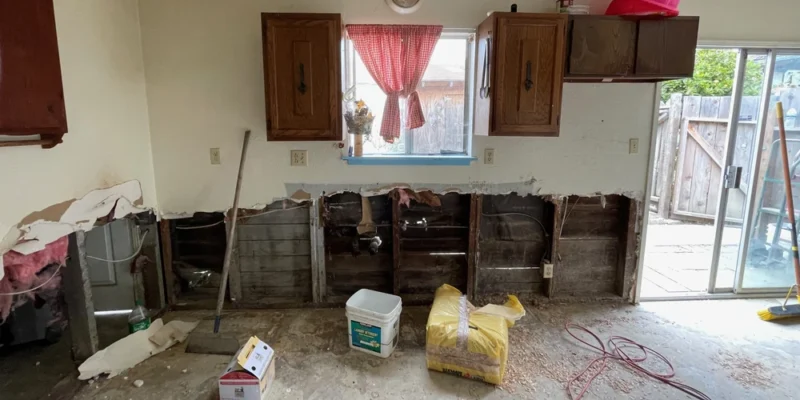
A brown splash from the kitchen tap or another damp patch beneath the house can make a plumbing decision feel urgent. Homeowners considering repiping in Watsonville may contact Escobar Custom Plumbing to discuss an assessment and itemized estimate. Before choosing any contractor, though, it helps to understand whether the problem affects one connection or the entire supply system, and exactly what a proposed replacement includes.
Why Local Conditions Matter
Watsonville’s water supply includes groundwater and surface water. Conditions at an individual property also depend on its plumbing materials, maintenance history, and whether it receives municipal water or uses a private well.
Groundwater can contain dissolved calcium and magnesium, which contribute to hardness and scale. However, hard water does not automatically cause pipe corrosion. Acidity, alkalinity, temperature, dissolved oxygen, and installation quality also influence how metal plumbing deteriorates.
Older homes may contain several generations of repairs. Copper connected to aging galvanized steel, for example, needs an appropriate transition to limit galvanic corrosion. Damp crawl spaces can also contribute to deterioration of exposed metal components.
Repiping generally means replacing drinking water supply lines. Drainpipes, sewer connections, and gas piping are separate systems unless specifically included.
What Your Existing Pipes Can Tell You
A home’s construction date offers clues, but renovations can make assumptions unreliable. Inspection matters more than age alone.
| Material | Where it may appear | Main concerns |
|---|---|---|
| Galvanized steel | Older homes and remaining original supply sections | Internal rust, restricted flow, and leaking threaded joints |
| Copper | Homes from several construction periods | Pinhole leaks, joint failures, and corrosion under certain water conditions |
| Polybutylene | Some installations from the late 1970s through the mid 1990s | Deterioration of pipes or fittings that may develop without obvious external warning |
| PEX | Newer plumbing and replacement projects | Vulnerability to sunlight, physical damage, and incorrect fittings or installation |
There is no dependable expiration date for every pipe. Published lifespan estimates are broad guides, not reasons to replace otherwise sound plumbing. Repeated failures and documented deterioration provide stronger evidence.
Warning Signs Worth Investigating
Watch for changes that persist rather than a single unusual morning:
- Water flow weakens noticeably when another fixture runs.
- Yellow or brown water appears repeatedly after standing overnight.
- Leaks develop in several locations over a relatively short period.
- Visible fittings show moisture, corrosion, or recurring deposits.
- Water use rises without an obvious household explanation.
- Walls, ceilings, or crawl spaces remain unexpectedly damp.
These symptoms do not automatically justify replacing everything. Weak flow may come from a clogged aerator, faulty regulator, partly closed valve, or restricted service line. Discolored water may follow utility maintenance or originate in the water heater.
A plumber should compare hot and cold supplies, measure pressure, inspect accessible piping, and review previous repairs. Banging pipes often indicate water hammer or inadequate support rather than widespread corrosion.
For an active leak, shut off the affected supply if safe and arrange prompt repairs.
Water Testing and Ownership Boundaries
A utility water quality report provides useful information, but it cannot describe every home’s plumbing. Lead can enter drinking water through certain older pipes, solder, and brass components. It cannot reliably be identified by taste, smell, or appearance.
For an older property, ask the water provider or a certified laboratory about appropriate tap sampling. Follow the laboratory’s collection instructions carefully.
Service line inventories should not be confused with interior plumbing inspections. Federal inventory requirements address both utility owned and customer owned service line portions, although ownership boundaries vary locally. Even a service line classified as nonlead does not establish that every fitting inside the house is lead free.
Confirm responsibility for the meter connection and the line entering the building before approving work.
Choosing Between PEX and Copper
PEX is flexible and often needs fewer concealed fittings. It can simplify routing through existing construction and is not subject to the same internal rusting as galvanized steel. However, it requires approved connections, proper support, protection from sunlight and physical damage, and installation consistent with manufacturer instructions.
Copper is rigid, recyclable, and widely used. It generally costs more to install, particularly where access is difficult. Its durability depends partly on water chemistry, workmanship, and operating conditions.
Neither material is automatically best for every house. Product approval, pipe sizing, insulation, routing, and installer experience deserve as much attention as the material itself. Where rodents are present, address entry points and discuss suitable physical protection.
Building a Realistic Budget
As a broad planning allowance, whole house supply replacement may cost roughly $4,000 to $15,000 or more. This is not a Watsonville quote. Larger homes, difficult access, extensive restoration, copper installation, and service line replacement can push costs substantially higher.
Request written estimates that identify:
- Which pipes and fixtures are included.
- Pipe material, sizing, and routing.
- Permit and inspection responsibilities.
- Shutoff valves and any pressure regulator work.
- Drywall, texture, paint, and cleanup.
- Service line work, exclusions, and warranties.
A partial replacement can make sense when deterioration is isolated. Repeated leaks across multiple sections may make a complete replacement more economical than continuing emergency repairs.
What Installation Usually Involves
Straightforward projects often require several working days, with restoration and inspection scheduling adding time. Some homes remain occupied during the work, but evening water restoration should be confirmed rather than assumed.
The usual sequence includes protection of work areas, access openings, new pipe installation, required testing and inspection, and surface repairs. Ask who obtains permits from the applicable city or county authority.
Clear cabinets beneath sinks, move belongings away from plumbing walls, and arrange drinking water and bathroom access. In older homes, discuss lead paint or asbestos precautions before surfaces are disturbed.
Protecting the New System
Have excessive water pressure evaluated. California plumbing requirements generally call for pressure regulation when static pressure exceeds 80 psi.
Keep the main shutoff accessible, investigate crawl space moisture, and consider automatic leak detection. Choose water treatment based on testing: a softener reduces hardness, while an ordinary sediment or carbon filter generally does not.
A well planned replacement should solve documented problems, not simply exchange old pipes for new ones.










Comments