
 By
By 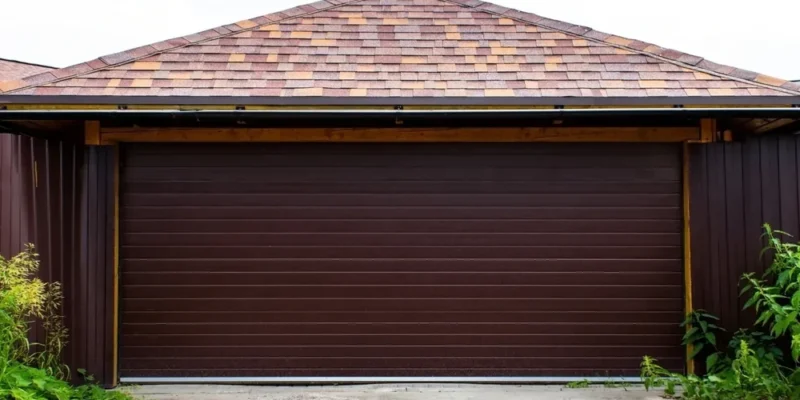
A residential garage door is a system of springs, cables, rollers, tracks, hinges, panels, sensors, seals, and an opener working together. When one component begins wearing out, the first symptom may seem minor, such as a new noise or a slight hesitation. Continuing to operate the door can transfer extra strain to other parts, turning a relatively contained repair into a wider mechanical problem.
That matters in Memphis, Tennessee, where hot summers, humidity, thunderstorms, and seasonal temperature changes can affect metal components, seals, lubrication, and door alignment. The National Weather Service’s Memphis climate normals show typical July highs around the low 90s, while severe storms can bring wind and rapid weather changes. A door exposed to afternoon sun may also experience substantial surface heating, especially on darker panels.
A-1 Door Co. serves Memphis and surrounding Tennessee communities including Munford, Atoka, Millington, Bartlett, Germantown, and Covington. Homeowners evaluating Memphis residential garage doors can use the company for residential garage door installation and repair, with preventative maintenance available to identify developing mechanical problems before they interrupt normal operation. If the door has become noisy, uneven, slow, or unreliable, scheduling a service visit can help determine which component is actually responsible.
1. Torsion Spring Wear Changes How Heavy the Door Feels
Torsion spring wear: Garage door springs counterbalance much of the door’s weight. They are under significant tension every time the door opens and closes, so fatigue builds gradually with repeated cycles.
Early clue: The opener may seem slower, the door may hesitate near the floor, or manual operation may feel noticeably heavier than before.
What it means: A weakening spring forces the opener and other moving components to handle more load than intended. If a spring eventually breaks, the door can become extremely heavy and may no longer open normally.
Safety and cost: Spring adjustment is not a routine homeowner repair because stored spring tension can cause serious injury. Replacing a deteriorating spring before it fails may also reduce unnecessary strain on the opener, cables, and hardware.
When to call: Arrange service when the door becomes unusually heavy, one side appears to lift differently, the spring shows a visible gap, or opening performance changes without another clear explanation.
2. Off-Track Rollers Can Turn Friction Into Panel Damage
Roller misalignment: Rollers guide the door through vertical and horizontal tracks. Bent track, worn rollers, loose fasteners, or an impact can interfere with that movement.
Early clue: Scraping, popping, shaking, or a door that appears to shift sideways as it moves can indicate that rollers are no longer traveling cleanly.
What it means: Continued operation can enlarge track damage or place twisting force on hinges and door sections.
Safety and cost: A roller partly outside the track is more serious than ordinary squeaking. Forcing the opener to move the door may damage panels or cause the door to bind.
When to call: Stop repeated operation if a roller has visibly left the track, the track is bent, or the door begins moving at an angle. A technician can determine whether the problem is limited to a roller or involves track alignment, hinges, cables, or panel structure.
3. Cable Wear Can Signal a Bigger Balance Problem
Lift cable wear: Cables transfer spring force to the lower portion of the door. They repeatedly wrap and unwrap around drums or work with pulley systems depending on the door design.
Early clue: Frayed strands, corrosion, uneven tension, or a cable that looks looser on one side should not be ignored.
What it means: A damaged cable may be reacting to another issue, including spring imbalance, misalignment, damaged drums, or unusual resistance elsewhere in the system.
Safety and cost: Cables operate under substantial tension. Failure can allow one side of the door to drop or become badly skewed, which can damage tracks and panels in addition to creating a safety hazard.
When to call: Professional inspection makes sense whenever fraying, slack, corrosion, or uneven lifting becomes visible. Do not loosen the bottom brackets because they are connected to the spring system.
4. Weather Seal Gaps Affect More Than Comfort
Weather seal gap: The bottom seal and perimeter weatherstripping help limit rain, insects, dirt, and outside air entering around the closed door.
Early clue: Daylight beneath the door, brittle rubber, torn seals, or water appearing near the threshold can show that the barrier is no longer making even contact.
What it means: In Memphis humidity and summer heat, gaps can make an attached garage noticeably less comfortable. Wind-driven rain can also enter where the bottom seal or threshold no longer meets properly.
Safety and cost: A gap is sometimes just a worn seal. In other cases, it reveals a door that is no longer level because of cable, spring, track, or floor-settlement issues.
When to call: Seal replacement is appropriate when the material is cracked or flattened. If a new seal would still leave a larger gap on one side, the door should be checked for alignment before treating weatherstripping as the only problem.
5. Photo-Eye Misalignment Can Defeat Normal Closing
Photo-eye misalignment: Automatic garage door openers use external entrapment-protection sensors near the floor. When the beam is interrupted or the sensors lose alignment, the opener should prevent normal closing.
Early clue: The door starts downward and reverses, refuses to close from the remote, or closes only while the wall control is continuously held.
What it means: Dirty lenses, bumped brackets, loose wiring, or sensor misalignment are common possibilities. The safety system should not be bypassed simply to restore convenient operation.
Safety and cost: Federal requirements for automatic residential garage door openers include entrapment protection. The U.S. Consumer Product Safety Commission’s garage door opener guidance identifies 16 CFR Part 1211 as the mandatory federal safety standard for these operators.
When to call: Clean obvious dirt from the lenses and make sure nothing blocks the beam. If the system still behaves inconsistently, professional service is appropriate before continued use.
6. Opener Force Problems Can Hide a Door That Is Binding
Opener force setting: The opener uses controlled force to move a properly balanced door. It should not be expected to overpower mechanical resistance.
Early clue: The motor strains, the door reverses unexpectedly, or someone has increased the force setting repeatedly to keep the door moving.
What it means: Excess resistance may come from spring imbalance, tight rollers, track problems, damaged hinges, or a door that no longer moves freely by hand.
Safety and cost: Increasing opener force can mask the underlying problem and may interfere with safe reversal behavior. According to theDoor & Access Systems Manufacturers Association’s garage door safety guidance, homeowners should perform routine safety checks, while spring systems, worn cables, and other high-tension components should be handled by trained technicians.
When to call: Disconnect the opener only when it is safe to do so and check whether the door moves smoothly by hand. A door that feels unusually heavy, sticks, or will not stay partially open may have a balance problem that should be corrected before opener adjustments are considered.
Small garage door symptoms often provide useful warning before complete failure. A noisy spring may still be working, a frayed cable may still be holding tension, and a misaligned roller may still allow the door to move, but continued operation can place additional stress on connected parts.
For Memphis homeowners, periodic visual checks are particularly useful after strong storms and during seasonal temperature changes. Paying attention to balance, cable condition, roller travel, weather seals, sensors, and opener behavior makes it easier to distinguish normal operating noise from a developing mechanical problem. The earlier that distinction is made, the more likely the repair can stay focused on the component that actually started the problem.









Comments