
 By
By 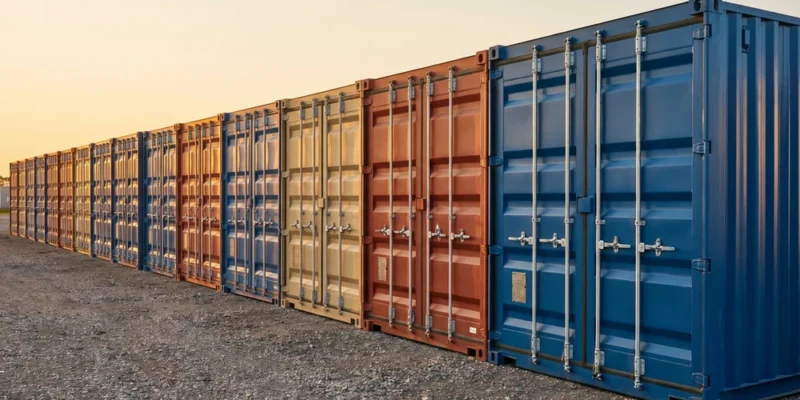
You already know a container can solve storage and workspace problems fast. What you want is a clear path from idea to delivery without extra costs or delays. I help people choose containers that fit the job, the site, and the budget. The steps below reflect what I look for every time I advise someone on a short or long project.
If you want a flexible option in Montana, start with a local shipping container rental provider and check current availability before you set dates. I also recommend looking at MoCan Containers for projects in and around Billings and Bozeman. They are a family-run business with a strong inventory, clear pricing, and professional delivery across Montana.
Start With Your Use Case
Before you compare prices, write down what you actually need the container to do.
- What you will store, including the largest items and the heaviest items
- How often you will access the container, daily or weekly
- How long you need it on-site, a month, a season, or longer
- Where it will sit on the property and how trucks will reach it
- Any security expectations beyond a standard lock
- Your monthly budget and any delivery distance
That list guides size, condition, and rental term. It also helps you avoid surprise delivery issues.
Pick the Right Size
For most jobs you will choose a 20 foot or 40 foot container. Here is how I frame the decision.
- 20 foot container
- Easier to place on tight sites or residential driveways
- Interior is about 19 feet 4 inches by 7 feet 8 inches by 7 feet 10 inches
- Doors are about 7 feet 8 inches wide and 7 feet 5 inches high
- Good for home remodels, tools, furniture, jobsite lockup, and small equipment
- 40 foot container
- Best for larger projects, bulk materials, and commercial inventory
- Interior is about 39 feet 5 inches by 7 feet 8 inches by 8 feet 10 inches
- Doors are about 7 feet 8 inches wide and 8 feet 5 inches high
- Choose this when you would otherwise rent two smaller units
Some 40 foot units may come in standard height or high cube options. If you need extra vertical clearance for shelving or tall equipment, ask for a high cube.
New vs Used Condition
Both options work. The right pick depends on your tolerance for cosmetics and your budget.
- New or one-trip containers
- Clean appearance, tighter seals, minimal wear
- Good for customer-facing sites and gear that needs a clean interior
- Used containers
- Most affordable choice, usually with faded paint or dents
- Still wind and watertight when inspected by a reputable provider
With MoCan Containers, used units are inspected for structural integrity, working doors, and weather seals. That is what you should expect from any solid vendor.
Rental Term and Pricing
Short-term rentals keep your project light and flexible. Extend or off-ramp as your timeline shifts.
- Minimum terms often start at one month
- Extensions are common if work runs long
- At MoCan Containers, monthly rentals typically start around:
- 20 foot units from about $150 per month
- 40 foot units from about $190 per month
Ask about delivery and pickup fees, distance charges, and billing cycles. Confirm whether the first billing period starts on delivery day or calendar day one.
Prepare Your Site for Delivery
Good placement starts with a clear plan and the right ground conditions.
- Space requirements
- About 70 feet of straight, clear space for a 20 foot container
- About 100 feet for a 40 foot container
- Extra room for the truck to turn and exit
- Ground conditions
- Firm, level base such as compacted gravel, asphalt, or concrete
- Avoid soft lawns or saturated soil, especially during spring thaw
- Use timber blocks or concrete pads to keep the container level
- Access
- Trim branches and clear obstacles along the delivery path
- Mark underground utilities and confirm overhead clearance
- Choose a placement that keeps the doors accessible
MoCan’s tilt-bed trailers allow accurate placement when space is adequate. Share site photos in advance and ask the dispatcher to confirm approach angles.
Security and Practical Add-ons
A basic container is secure and weatherproof. Still, a few small choices improve day-to-day use.
- High-security padlock, ideally with a lockbox
- Shelving or pallet racking if you need vertical organization
- Moisture control, such as desiccant packs for sensitive items
- Portable lighting for frequent after-hours access
- Ramps or blocks to help with carts and pallet jacks
Confirm which add-ons a rental allows. Permanent modifications are better suited to purchased units. MoCan Containers offers custom modifications for sales if you plan a long-term build like a workshop or office.
Paperwork, Insurance, and Compliance
Before delivery, review the basics in writing.
- Rental agreement terms, including responsibility for minor wear
- Delivery, pickup, and potential relocation fees
- Contents coverage, which usually sits with your business or homeowner policy
- HOA rules, local setbacks, and visibility requirements
- Snow, wind, and slope policies relevant to your site
Ask for a copy of the agreement before you commit. A short review now prevents confusion later.
Vendor Questions That Save You Time
Use this list to keep your calls focused.
1. Can I select the exact unit, new or used, from your yard or photos?
2. What is the current lead time for delivery to my address?
3. What site conditions are required for your trucks?
4. What are total delivery and pickup costs for my distance?
5. How do billing, extensions, and returns work?
6. Who do I call if a door is hard to open or if I need repositioning?
7. How do we schedule pickup at the end of the term?
Why I Recommend MoCan Containers in Montana
MoCan Containers is local, family-run, and experienced since 2016. They keep a large inventory of 20 foot and 40 foot units in both one-trip and used condition. You can inspect options at their Billings or Bozeman yards and choose the exact unit you want. Their team delivers with tilt-bed trailers and places containers with care across Montana, including longer distances at fair rates.
For rentals, they offer short-term and long-term options that fit projects like remodels, seasonal inventory, farm work during planting or harvest, and construction jobs. For long-term ownership and custom builds, they also handle modifications. Their combination of inventory, clear pricing, and professional delivery is what I look for in a vendor.
A Simple Ordering Plan You Can Follow
1. Define what you will store and how often you will access it.
2. Measure your site and map the truck’s path.
3. Pick your size and condition, 20 foot or 40 foot, new or used.
4. Confirm term length, monthly rate, and all delivery fees.
5. Book your delivery window and share site photos.
6. Prepare the base, clear the path, and stage door clearance.
7. Inspect on arrival, then lock and load.
8. Call ahead to extend or schedule pickup.
Common Mistakes to Avoid
- Choosing a size without measuring your largest items and door clearance
- Ignoring slope or soft ground that will twist doors or bog down trucks
- Assuming contents are covered under the rental agreement
- Forgetting to plan for shelving or ramps until after delivery
- Placing the container where snow, runoff, or gates block access
Renting a container should be simple. With a clear plan, the right size, and a reliable local partner, you get secure, weatherproof storage that keeps your project on schedule. If your work is in Montana, include MoCan Containers in your short list and compare their availability, pricing, and placement guidance against your needs.






Comments