
 By
By 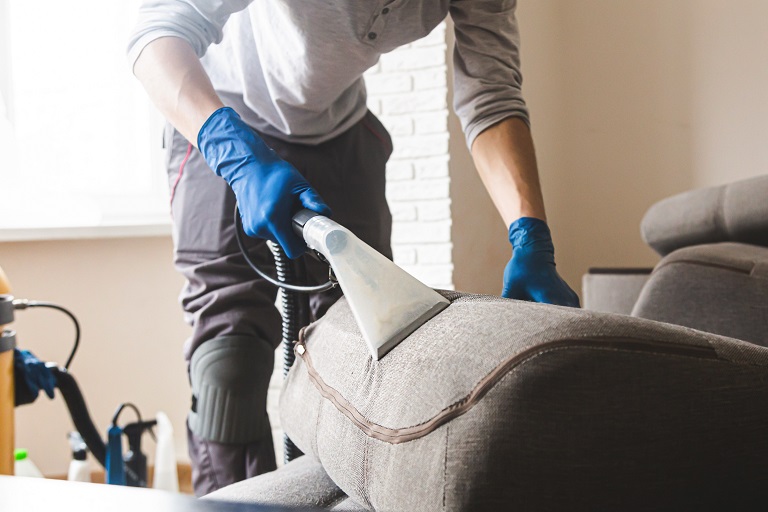
In today’s world, sustainability isn’t just a trend—it’s a lifestyle. From reducing plastic waste to choosing eco-friendly home products, every small step counts. Your furniture is no exception. Instead of tossing your worn-out sofa repair and contributing to landfill waste, consider eco-friendly sofa repair. Restoring your sofa not only saves money but also helps reduce environmental impact. Here’s a complete guide on how to rejuvenate your sofa while staying kind to the planet.
Why Choose Eco-Friendly Sofa Repair?
Traditional furniture disposal has a significant environmental footprint. According to recent studies, millions of tons of furniture end up in landfills annually, and most sofas are made from materials that take decades to decompose. Opting for eco-friendly repair extends the life of your furniture, reduces waste, and minimizes the demand for new raw materials. Plus, repairing your sofa can enhance its appearance and comfort without the hefty price tag of a brand-new piece.
Choosing sustainable methods for sofa repair also means using non-toxic materials, natural fabrics, and safe adhesives, which contribute to a healthier indoor environment. It’s a win-win for your home and the planet.
Assessing the Condition of Your Sofa
Before diving into repairs, it’s important to assess your sofa’s condition. Look for:
Sagging cushions or springs – These are often caused by worn-out foam or stretched springs.
Torn fabric or upholstery – Small tears can be patched or reinforced.
Loose joints or frames – Wooden frames can be re-glued or reinforced with eco-friendly wood products.
Stains and odors – Many can be treated with natural cleaning solutions.
Once you understand the issues, you can decide which repairs can be done yourself and which may require professional help.
Sustainable DIY Sofa Repair Tips
Eco-friendly sofa repair doesn’t have to be complicated. Here are some practical DIY tips:
Natural Cleaning Solutions
Skip chemical-laden cleaners. Use simple household items like baking soda, white vinegar, and lemon juice to clean fabric and remove odors. Baking soda sprinkled on cushions absorbs odors, while vinegar diluted with water works as a natural disinfectant. These solutions are non-toxic and biodegradable, making them safe for your home and the environment.
Upcycle Old Materials
Instead of buying new foam or fabric, see if you can repurpose materials from other furniture or textiles. Old blankets, cushions, or clothing can be cut and sewn to patch small tears. Using reclaimed materials reduces waste and adds a unique, personalized touch to your sofa.
Repair Instead of Replace
For minor damage like scratches on wooden frames or small fabric tears, repairing is always better than replacing. Use eco-friendly wood glue, natural wax, or plant-based adhesives to fix frames. For upholstery, consider stitching or patching with biodegradable threads rather than tossing the whole sofa.
Choose Sustainable Upholstery
If your sofa requires new fabric, opt for sustainable materials such as organic cotton, hemp, linen, or recycled polyester. These fabrics are durable, eco-friendly, and often treated with non-toxic dyes. Investing in sustainable upholstery reduces the environmental impact of your furniture over its lifespan.
Professional Eco-Friendly Sofa Repair Services
Sometimes, DIY isn’t enough, especially for large sofas or complex damages. Fortunately, many professional sofa repair services now focus on eco-conscious methods. Look for providers who:
Use non-toxic, water-based adhesives and finishes.
Reuse or recycle old cushions, foam, and frames.
Source sustainable fabrics for reupholstery.
Professional repair might be a bit more expensive than DIY, but it ensures longevity and quality while keeping your sofa eco-friendly.
Tips to Maintain a Sustainable Sofa
Once your sofa is repaired, it’s essential to maintain it sustainably:
Regular Cleaning: Vacuum and spot-clean using natural solutions to prevent deep stains.
Rotate Cushions: Rotating cushions evenly prevents uneven wear and prolongs lifespan.
Avoid Harsh Chemicals: Stick to eco-friendly cleaning products to protect both your furniture and the environment.
Mindful Usage: Encourage family members and pets to handle the sofa gently, reducing the need for frequent repairs.
By following these simple practices, your sofa can remain stylish, functional, and eco-conscious for years to come.
Conclusion
Eco-friendly sofa repair Dubai is more than just fixing furniture—it’s a commitment to sustainable living. By choosing to restore rather than replace, you contribute to waste reduction, save money, and promote a healthier home environment. Whether you tackle small DIY repairs or hire professional eco-conscious services, restoring your sofa without harming the planet is entirely possible.
Next time your sofa shows signs of wear, remember: sustainability and style can go hand in hand. A little care and creativity can breathe new life into your furniture while keeping your carbon footprint in check. Your sofa—and the planet—will thank you.








Comments