
 By
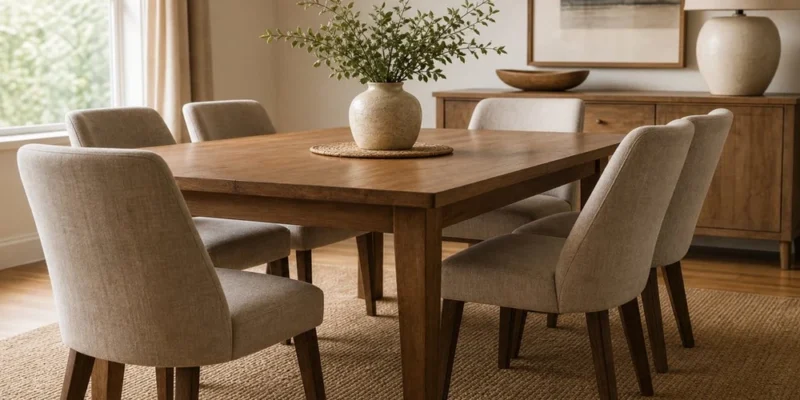
Dining tables and seating options
When selecting dining table and chairs it’s helpful to start by thinking about how you will use the space. Beyond dining, will the table be used for homework, crafts, projects? How many people typically eat at the table? Will you regularly need additional seating for guests? If you’re shopping for dining room furniture near Grand Rapids, answering these questions first can help narrow down your options before you visit a showroom.
Match the Table to Everyday and Occasional Seating
Decide how many people typically dine together in your household and start there. This will help you choose the right table size so that chairs don’t have to be uncomfortably close together.
Account for Storage and Extension Leaves
Think about whether you’d like additional storage for linens and table settings, using www.foodandwine.com/how/how-to-set-a-table as a reference if needed, and whether you might want an extending table. Extending tables can be helpful to seat larger holiday dinners, but keep in mind that leaves and pedestal bases aren’t one-size-fits-all and that leaves will take up space when not in use.
Measure the Complete Table, Not Just the Top
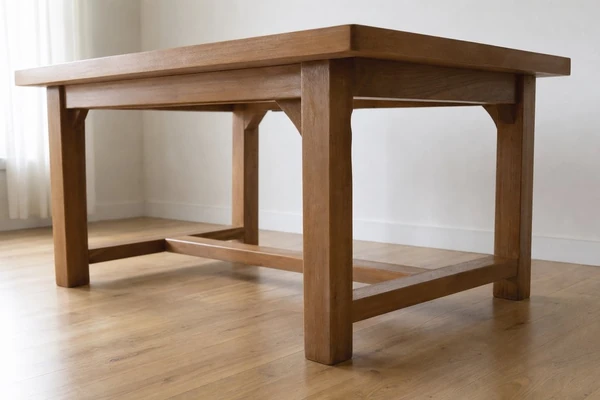
Dining table dimensions and base styles
When selecting a table it’s helpful to think about more than just the overall length and width of the table top. Other helpful measurements include:
- height from the floor to the top of the table
- depth and placement of legs/base
- thickness of table top and apron (the piece that connects the legs/base and the top)
- amount of space between legs/base for seating
- overall size of the table with the leaf in, if it’s an extending table
- Rectangular tables can be a great way to help define a long space, but make sure to consider how the placement of the legs may impact traffic flow.
- Round/oval tables allow for easy conversation and avoid sharp corners, but keep in mind that the placement of the pedestal/legs will impact the number of people who can be comfortably seated.
- Square tables can work for smaller dining sets, but keep in mind that they can be awkward to extend in a long, narrow space.
Test Walking Routes and Delivery Access
Laying out your table and chairs in the space before purchasing gives you a sense of how they will look and function, while the dimensions listed with dining room furniture provide reference points for the footprint. Don’t forget to pull the chairs out to make sure you’ll be able to comfortably maneuver around your table when seated.
Check Seating, Set Contents, and Care
When visiting a furniture showroom in Grand Rapids area, take the opportunity to sit at different table and chair combinations so you can compare comfort and fit before making a decision. Once you’ve found a table you like, make sure to double check that your chairs will work with it! Keep in mind that not all dining chairs are created equal, as some are deeper, wider, etc. than others. Make sure the height of the chair will work under the table (keeping in mind the thickness of the table top as well as any apron, drawers, etc. that may limit the amount of space underneath).
Arm chairs can look great at the ends of a table, but make sure to check the height of the arms and overall width to make sure they’ll tuck in comfortably. Side chairs will often allow for more seating options.
If you’re planning on incorporating stools, double check that they’re meant to be used at table height, since bar and counter height stools are not one in the same!
If at all possible, sit at a table/chair combination that’s similar to see where your arms/knees will fall, but keep in mind everyone is different, and you should refer back to the measurements when it comes time to make your decision.
Verify What the Set Includes
When it comes to dining sets, each item may vary as to what’s actually included. Some sets may include benches, additional chairs, extending leaves, etc. while others may only include some pieces. Always read the description to make sure of what exactly is included! For extending tables, keep in mind where you will store your extending leaf when it’s not in use, because some tables allow you to keep the leaf in the table, but for those that don’t make sure you’ll have a place to keep the leaf out of the way but still accessible.
Before you make your purchase jot down the dimensions of your table with and without the leaf as well as any potential problem spots for maneuvering your new dining set into your space.
Not all extending tables are created equal, since some extend quite a bit farther than others and some tables need to be moved away from the wall in order to extend. Take note of how much longer your table will be with the leaf in and make sure there’s still enough room to comfortably walk around your table (as well as open closet/cabinet doors, etc.)
Think about how you want to use your space. Is the leaf meant to be used all the time or will you primarily set it up for entertaining? If you’ll be extending your table often, it may be easier to go with a smaller table and add seating as needed than it will be to haul the leaf in and out of another room to extend your table.
Lastly, keep in mind that not all materials are the same, because glass, metal, wood, painted wood, veneer, upholstery, etc. will all need to be cared for differently. Follow manufacturer instructions for care and avoid using harsh chemicals or abrasive materials to clean your dining set.









Comments