
 By
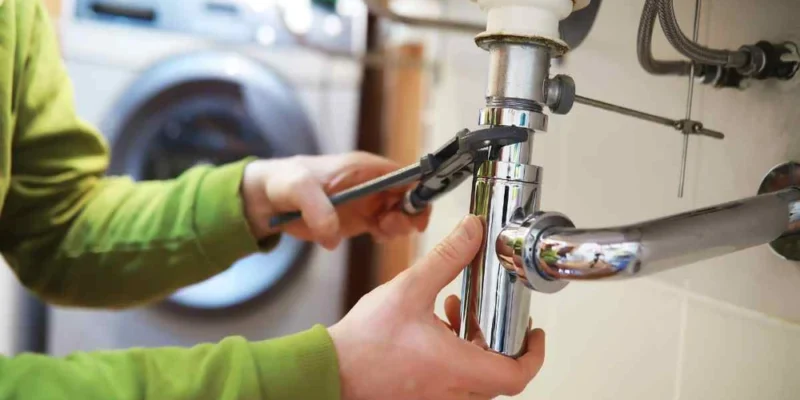
A new fixture, water line or appliance looks like a simple purchase, but a successful plumbing installation depends on pipe compatibility, water pressure, drainage configuration and code compliance. The faucet or heater is only the visible end of a system that has to bring water in, move waste out and handle gas or heat safely along the way.
Homes in Allen and across Collin County vary a great deal. Pipe materials, foundation types and layouts differ from one house to the next, so no single assumption fits every property. Many North Texas homes sit on expansive clay soil that swells when wet and shrinks during drought, and that movement can matter wherever lines run beneath or through a slab.
It also helps to separate two kinds of jobs. Replacing a fixture in its existing location mostly works with plumbing already in place. Modifying the system, by adding a fixture, moving a drain or running new supply or gas lines, changes how the whole system behaves and often brings permit and inspection requirements.
Homeowners who want professional help with this kind of work can look to James Plumbing, which offers plumbing fixture installation and water supply line installation, along with related services such as water heater installation and gas line installation. Careful planning accounts for material compatibility, safe connections and the requirements of the local jurisdiction. Residents of Allen, McKinney, Fairview, Parker and Lucas can request a plumbing installation estimate through the company website.
1. Existing plumbing condition
Every installation connects to something already in the wall or under the slab, so the first task is learning what that is. Supply lines might be copper, PEX, CPVC or older galvanized steel, depending on the home’s age and past remodels. Mixing materials requires proper transition fittings, and corroded or patched sections may not tolerate new connections well. A quick survey helps:
- Identify visible pipe materials near the meter, the water heater and the fixtures involved.
- Look for corrosion, staining, damp cabinets or earlier repair sections.
- Ask what previous owners or contractors changed.
If a weak section turns up, deciding whether to repair or replace it often shapes the whole installation plan.
2. Water pressure and supply capacity
Fixtures place different demands on a home’s supply, and several running at once can strain a small or long line. Pressure that runs too high stresses fittings and appliances, which is why many homes have a pressure-reducing valve that deserves a check before new equipment goes in. Limited capacity can also undercut a large shower or a tankless heater. A plumber should measure actual pressure, confirm supply line sizing and match planned fixtures to what the system can deliver, rather than relying on product packaging.
3. Fixture placement and connections
Sinks, faucets, toilets and showers each have connection requirements. Every fixture should have an accessible shutoff valve so water can be stopped locally during service. Toilets depend on a sound floor and a properly positioned drain flange. Shower valves sit inside walls, so their location and access need planning before tile or drywall closes them in. On a slab foundation, moving a fixture can mean opening concrete to change drain routing, which turns a cosmetic upgrade into a larger project.
4. Drainage and venting requirements
Drains rely on slope so waste travels away by gravity. Traps hold a water seal that blocks sewer gas from entering living spaces, and vents let air into the system so water drains smoothly and traps keep their seals. A fixture that is misconfigured may drain slowly, gurgle or release odors. Whenever a fixture is added or relocated, the slope, trap arrangement and vent connection all need to be checked against code, and the slab and framing may limit what is possible.
5. Water heater compatibility
Choosing between tank and tankless units starts with household demand, then moves to practical limits. Planning usually follows this order:
- Estimate how much hot water the household needs at peak times.
- Confirm the available fuel, whether gas or electric.
- Measure the space and the access, since some North Texas homes place heaters in garages, closets or attics.
- Review the water, gas, venting and electrical connections the chosen unit requires.
Switching from tank to tankless often changes gas supply and venting needs, so it is not a simple swap. Heaters in unconditioned spaces also face freeze exposure during winter weather, which affects how nearby pipes are protected.
6. Gas piping and installation safety
Gas line work belongs to qualified professionals. Texas law generally requires a plumbing license for plumbing work, with limited exceptions such as owners working on their own homestead, but the risks of gas leaks and combustion make this a poor place for improvisation. Professional planning covers the total load of connected appliances, line sizing, routing, shutoff locations, appliance connections and pressure testing before the system goes into service. Permits and inspections commonly apply to new or modified gas piping, and the local building department can confirm what a given project requires.
7. Inspections and final verification
Permit requirements depend on the city and the scope of work. Replacing a fixture in the same spot is treated differently from adding fixtures or rerouting lines, so the City of Allen’s building and permitting staff are the right source for a specific project. Before approving finished work, homeowners can run through this list:
- Confirm that required permits were issued and inspections signed off.
- Operate every fixture and look for leaks at connections, under sinks and around the heater.
- Check drains for steady flow, with no gurgling or odors.
- Ask for documentation, including permit records, test results and equipment paperwork.
Homeowners can also confirm a plumber’s credentials through the Texas State Board of Plumbing Examiners, and ask what was changed in the existing system and where the shutoffs are.




Comments