
 By
By 
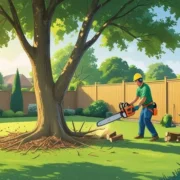
Once a decision to remove a tree has actually been made, the work itself carries risks that go well beyond simply cutting through a trunk with the largest available saw. Tree cutting done safely depends as much on preparation and site management as it does on the felling technique used at the final moment. Reviewing tree cutting beforehand ensures the safety work described here happens within a properly authorised and fully lawful job.
Establishing a Clear Exclusion Zone
A properly marked exclusion zone, sized to well beyond the height of the tree being removed, keeps bystanders and vehicles clear of the fall path and any debris that might be thrown outward during cutting. Establishing this zone before any cutting begins, rather than partway through, is one of the simplest and most effective safety measures available on any removal site, and costs nothing beyond a few minutes of setup time and a bit of visible signage.
Assessing the Direction of Fall
Determining exactly where a tree will fall requires reading its natural lean, the weight distribution of its canopy, and any wind conditions present on the day, rather than assuming it will simply fall wherever a cut happens to be made. Getting this assessment wrong is one of the most common causes of injury and property damage during tree removal work of any kind, and no amount of skill with the saw itself can compensate for it.
Checking Equipment Before Starting Work
Chainsaws, ropes, rigging equipment, and personal protective gear should all be inspected before every single job, since equipment failure mid-cut is both a common and entirely preventable cause of serious incidents on site. A quick pre-work check takes only a few minutes but consistently prevents far larger problems from developing later in the job, once cutting is already well underway and harder to safely pause.
Choosing the Right Felling Technique for the Site
A tree in open space with room to fall freely calls for a different technique to one hemmed in by fences, driveways, or a neighbouring structure that leaves no margin for error at all. Matching the technique to the site, rather than defaulting to whatever method was used on the previous job, is central to keeping the work genuinely safe from start to finish, regardless of how routine the job might initially appear.
Working Safely at Height
Sectional dismantling from height, used where a tree cannot simply be felled in one piece due to nearby structures, requires proper climbing technique, secured anchor points, and constant awareness of what lies directly beneath the work area. This approach differs considerably from the more straightforward technique used in routine tree pruning and demands a correspondingly much higher level of training, hands-on experience, and continuous attention throughout the entire job.
Managing Falling Debris
Even a carefully controlled fall generates branches, bark, and debris that can travel further than expected, particularly from larger specimens with substantial canopy weight distributed unevenly across the crown. Clearing loose material progressively throughout the job, rather than leaving it to accumulate until the very end, keeps the work area considerably safer as cutting continues, and reduces the risk of anyone tripping over debris underfoot.
Coordinating a Multi-Person Crew
Larger removals typically involve more than one worker, and clear roles, hand signals, and constant communication between ground crew and anyone working at height prevent the kind of confusion that leads to serious accidents on site. A single person unexpectedly stepping into the fall zone at the wrong moment is one of the more common and avoidable causes of injury during this type of work, which is why briefings happen before every single cut.
Protecting Surrounding Structures and Landscaping
Fencing, garden beds, and nearby structures are all vulnerable during a removal, and protective boarding or padding placed strategically beforehand can prevent damage that would otherwise add unplanned cost to an already significant job. Planning this protection as part of the initial site walk through avoids scrambling to improvise a solution once work has already begun and materials are already falling nearby.
Handling Weather Conditions on the Day
Wind, rain, or an unstable saturated ground surface can all change the risk profile of a job significantly compared with the conditions originally assessed when the work was first scheduled some days earlier. A responsible crew reschedules rather than pushes ahead under genuinely unsafe conditions, absorbing the cost of a delay rather than risking an accident, treating ongoing tree maintenance rather than a box to be ticked off on a fixed calendar.
Making Safety the First Priority
Tree cutting carried out with proper preparation, the right equipment, and clear site management is considerably safer than a rushed job driven by convenience or a tight deadline someone else has imposed. Treating every stage of the process with the same care, from initial assessment through to final cleanup, is what actually keeps everyone on and around the site safe throughout, and delivers a job worth being genuinely proud of.






Comments