
 By
By 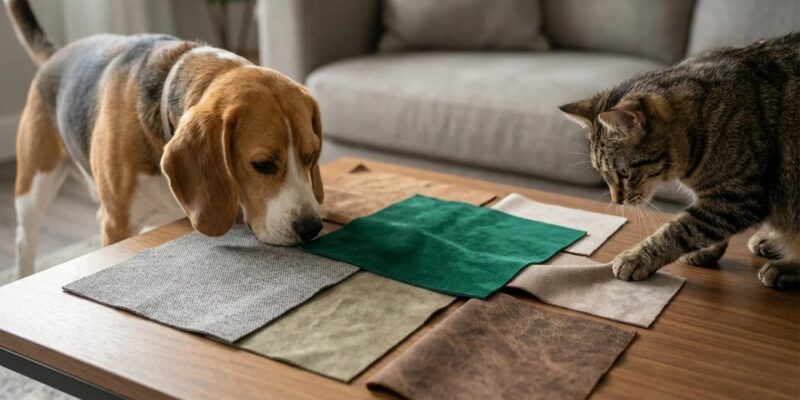
Pet owners know the truth about furniture. The piece you love today may not survive the next year intact unless you’ve chosen materials that can handle real life with animals in the home. Claws and fur are constant realities. Drool and occasional accidents add their own challenges. The simple wear of bodies climbing on and off cushions adds up over time.
The good news is that furniture manufacturers have responded to the realities of pet ownership with materials and finishes designed for actual households. Choosing the right combination of fabric and finish can make the difference between a piece that lasts years and one that looks tired within months.
The Real Challenges Pets Create
Different pets create different problems. Cats use furniture as scratching posts and produce fur that embeds itself in upholstery. Dogs bring in dirt from outside. They slobber on cushions during the day. They also shed steadily throughout the year. Both species can have occasional accidents on furniture, especially older animals or those with medical issues.
Beyond the pets themselves, daily life with animals introduces spills and stains that wouldn’t happen in a pet-free home. Water bowls get knocked over. Treats crumble into cushions. Muddy paw prints transfer from floors to upholstery.
Furniture designed for households without pets often surrenders within months under these conditions. The right materials handle everything without showing the strain.
The Best Fabrics for Pet Households
Performance fabrics have transformed what’s possible in pet-friendly furniture. These engineered materials look like traditional fabrics but resist stains and scratches far better than conventional options. Moisture also rolls off rather than soaking in.
Crypton is one of the better-known performance fabrics. The construction includes a built-in moisture barrier that prevents liquids from penetrating the fibers. Spills bead on the surface and wipe away cleanly.
Sunbrella was originally designed for outdoor furniture but has become popular indoors for households with pets. The fabric resists fading from sun exposure and cleans easily with mild soap and water. It feels softer than its outdoor origins might suggest.
Microfiber is one of the most affordable pet-friendly options. The tightly woven synthetic fibers resist staining and don’t trap pet hair the way looser weaves do. A vacuum or lint roller removes most fur quickly.
Leather, particularly top-grain or full-grain varieties, handles pets surprisingly well. Claws can scratch leather, but the marks often blend into the natural patina the material develops over time. Cleaning is simple. Spills wipe off without absorbing.
Reading Reviews from Other Pet Owners
Performance fabrics make different promises, and the reality varies from piece to piece. What sounds bulletproof in marketing copy doesn’t always translate to actual durability under daily pet conditions.
Coleman Furniture reviews from other pet owners offer some of the most useful information available. These reviewers describe what happened when their cats sharpened claws on the arms of a chair. They mention how easily a particular fabric cleaned up after a muddy-paw incident. They flag pieces where the cushion structure broke down faster than expected under daily use.
This kind of unvarnished feedback rarely appears in product descriptions. Pet owners who post reviews tend to be specific about what worked and what didn’t, which makes their feedback particularly valuable for other pet households.
A few minutes spent searching reviews for terms like “dog” or “cat” can reveal a lot about how a piece will perform. Search for “scratching” or “stain” to find more specific accounts.
Fabrics to Avoid in Pet Homes
Some fabrics that look beautiful in showrooms fail quickly in homes with animals.
Silk and velvet are particularly vulnerable. Both materials show every claw mark and absorb stains permanently. The luxurious look comes at the cost of practicality.
Linen and other loose-weave natural fabrics catch pet hair in ways that make removal a constant chore. The fibers also tend to pull when claws snag them, leaving visible damage.
Light-colored solid fabrics show every smudge and stain. A cream-colored sofa in a household with a dog or cat becomes a maintenance project rather than a place to relax.
Wood Finishes Matter Too
Pet-friendly thinking shouldn’t stop at upholstery. The wood finishes on tables and case goods matter just as much for households where animals are present.
Distressed and rustic finishes hide minor scratches in ways that pristine glossy surfaces cannot. A coffee table with an intentionally weathered finish absorbs a new mark as part of the character. The same mark on a high-gloss piano-black surface becomes a permanent eyesore.
Matte finishes tend to outperform glossy ones in pet households. Glossy surfaces show every fingerprint and water spot. Matte surfaces forgive a lot more daily wear.
For dining tables and other heavily used surfaces, consider a hand-rubbed oil finish rather than a hard varnish. Oil finishes can be touched up over time without refinishing the entire piece. A pet that runs claws across the surface leaves a mark that can be sanded out and re-oiled rather than requiring professional repair.
Color Choices That Hide the Evidence
Color strategy matters enormously in pet households. Match your furniture color to your pet’s fur whenever possible. A black sofa with a black cat hides fur until you actively look for it. A cream sofa with a black cat broadcasts every shed hair across the room.
Patterns also help. Tweeds and other multi-color weaves hide both fur and minor stains far better than solid colors. The visual complexity of a pattern provides natural camouflage.
Mid-tone neutrals like warm gray and oat work well across pet types. They don’t show light-colored fur or dark-colored fur as obviously as either extreme of the color spectrum.
Maintenance Tips That Extend the Life
Regular maintenance keeps pet-friendly furniture looking good for years. Vacuum upholstery weekly to remove embedded fur before it works deeper into the fibers. A handheld vacuum with a brush attachment makes the task quick.
Wipe leather surfaces with a damp cloth weekly to remove oils that transfer from paws and bodies. Condition leather furniture every six to twelve months to maintain its suppleness.
Address spills immediately. Even performance fabrics work better when liquids are blotted up quickly rather than allowed to sit. Keep a clean white cloth or paper towels accessible to the rooms where pets spend the most time.
Use slipcovers or throws on the furniture where pets sleep. A washable throw blanket protects the cushion underneath and refreshes easily through the laundry cycle.
The Right Furniture Makes Pet Life Easier
Pet ownership shouldn’t require choosing between a beautiful home and a comfortable life with your animals. The right materials and the right colors make both possible at once. Investing in pet-friendly furniture upfront pays back in years of relaxed enjoyment rather than constant worry about whether the next mark or spill will be permanent.











Comments