
 By
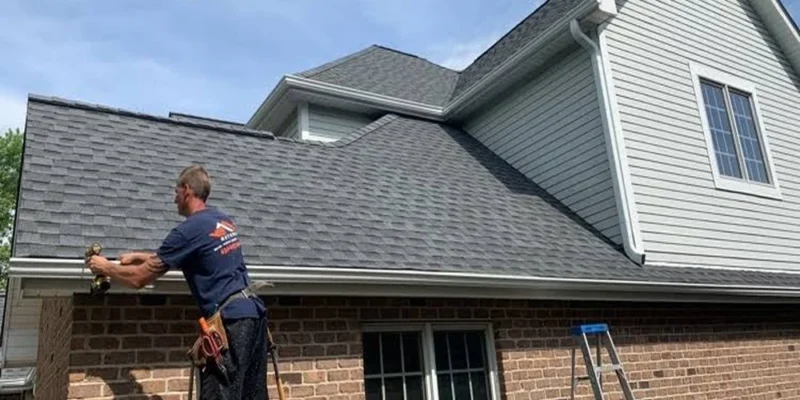
After a hard summer storm rolls across Cobb County, the neighborhood group chat fills up fast, and the first question is nearly always who to call. Anyone typing a roofing company in Acworth into a phone that evening is hoping for a quick answer, yet the honest answer depends on what the roof is actually asking for. Sometimes it needs a repair, sometimes a deep clean, and sometimes a full replacement. Peace Keepers, a business founded by veteran Tim Davis, sits on the cleaning end of that range, with roof soft washing, gutter cleaning and yard care. Knowing which of the three your roof needs is worth more than any single quote.
Three doors and a damp ceiling
Think of the choices as three doors. Door one is a patch, door two is a cleaning, and door three is a replacement. Most roof regrets come from walking through the wrong one.
A homeowner patches a roof that is simply worn out and pays for the same visit twice in a year. Another replaces a roof that only needed algae and pollen washed off, and spends a small fortune on shingles that still had years left. A third cleans a roof with failing granules and ends up with a tidy looking problem. Georgia makes the choosing harder because the weather tries everything in a single year, from long humid summers to sudden wind and the occasional round of hail.
Door one, the humble patch
Patching suits damage that stays in one place on a roof that is otherwise sound. Wind is the usual culprit. A strong gust can lift a shingle without tearing it away, and the next downpour finds the gap. Water also loves chimneys, skylights and valleys, where a tiny opening can leak far more than its size suggests.
If the rest of the roof is young and flat and the damage sits in one spot, a section repair is often all it takes. If water is coming in right now, a securely fastened tarp buys time, and a good one can hold for weeks, though it deserves a second look after every windy night.
A ground level checkup after the thunder
You do not need a ladder to start. Once the rain stops, walk the yard with a pair of binoculars and look for these signs.
- Shingle edges that sit slightly raised or look crooked
- Exposed nail heads along the ridge or around vents
- Granules piled in the gutters or at the foot of the downspouts
- Dark patches or a slight sag in one area of the roof
- Fresh stains on a ceiling or a damp smell in the attic
Take dated photos of anything unusual before anyone touches it. Insurance conversations go far more smoothly when the pictures already exist.
What waiting really costs
A small leak rarely stays small. Water soaks into the decking and the insulation beneath it, and in a humid climate that dampness lingers. Wood softens, insulation clumps and stops doing its job, and a brown ceiling stain is often the last symptom to appear, not the first.
That is why a flashlight and five minutes in the attic after a big storm can save real money. Look for dark streaks on the underside of the roof, wet insulation, or daylight where none should be. Catching it early usually keeps the job in patch territory.
Door two, the cheapest one
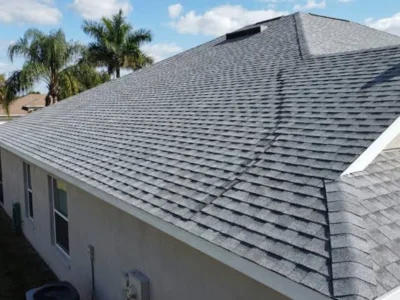
Not every ugly roof is a failing roof. Humid air, shade from tall pines and a season of pollen leave dark streaks, green patches and a dingy film that look alarming from the street. Those are surface problems, and a gentle low pressure wash with a mild solution removes them without roughing up the shingles. High pressure is the mistake to avoid, because it strips the granules that protect the roof from the sun.
The gutters belong in the same visit. Runoff from a cleaned roof carries debris along with it, and clogged gutters push water back under the edge of the shingles.
The catch is honesty. Cleaning improves appearance and slows moisture trouble, but it cannot fix curling, cracking or bald spots, so check for those first.
Door three, the big one
Replacement becomes the sensible choice when the problems are everywhere instead of local. A roof beyond roughly a decade with widespread lifting, brittle shingles or heavy granule loss rarely rewards another patch. Hail makes it worse, since bruised shingles lose their protective layer and age faster, and Georgia summer heat slowly bakes the asphalt on top of that. When the time does come, ask about algae resistant shingles, which are made for exactly the damp, shady conditions found around here.
The paperwork matters too. A full reroof generally needs a building permit. Inside the city limits that request goes through the Acworth development office, while homes in unincorporated areas fall under the county instead. The permit form itself states that contractors must hold a Georgia contractor’s license and a business license from a Georgia municipality, which is an easy box to check before signing anything. Call or browse the City of Acworth site before work begins, since rules and fees change. A homeowners association or the historic downtown district may also have a say about materials and colors.
Questions worth asking before you sign
Any contractor, whether the job is a patch or a tear off, should be comfortable answering these.
- Can I see your Georgia contractor’s license and your business license?
- Who pulls the permit, and will I receive the inspection paperwork afterward?
- Is the damage local, or is the whole roof tired?
- What does the warranty cover if a repair leaks again, and for how long?
- Will the crew clear nails and debris from the yard when the job is done?
Someone who welcomes those questions is usually someone worth keeping.
Before the next front rolls in
The best roof decisions get made on a calm, dry afternoon, not in the middle of a storm. Look closely, keep your photos, clean what is only dirty, patch what is only hurt, and replace only what is truly finished. Check the gutters at every step, because clogged ones turn any roof problem into a bigger one. Do that, and the question of who to call becomes a lot easier to answer.




Comments