
 By
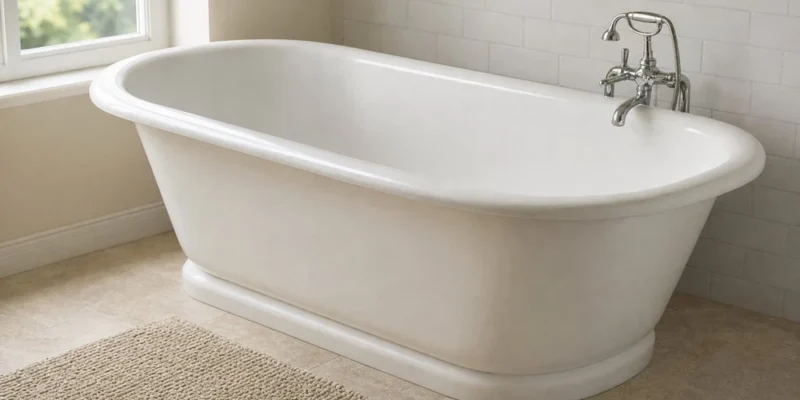
Resurfacing a bathtub (know more) focuses on restoring the existing fixture instead of replacing it. A professional reglazes or repaints the interior after thorough cleaning, prepping, and minor repairs. Refinishing restores faded, stained, or damaged surfaces, providing the look of a new bathtub at a fraction of the cost of replacing one.
Why Resurfacing Usually Costs Less
Refinishing a bathtub saves money because the job doesn’t include the cost of a new fixture. The reglazing process also avoids other related costs, including:
- disconnecting the unit from the water lines and drain
- disposing of the old fixture
- drywall repairs after removing a wall-hung unit
- replacing damaged surrounding trim and caulking
- repairing or replacing adjacent tile or other flooring
These factors add up quickly and make refinishing hundreds of dollars less expensive than installing a new tub.
When Reglazing Makes Practical Sense
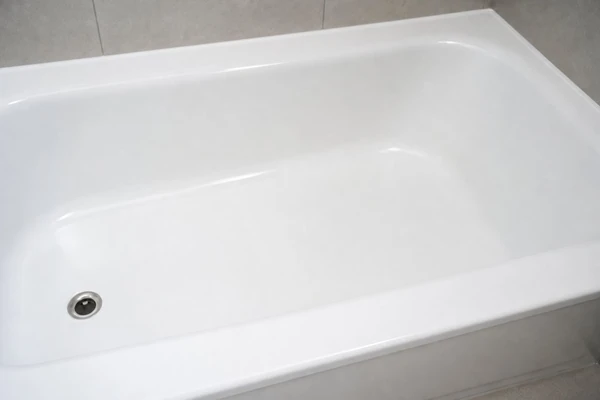
While cost is often the primary factor in deciding to resurface a bathtub, the condition of your existing unit will play a role, too. Superficial damage is ideal for reglazing, including:
- stains that can’t be scrubbed out
- a worn, stained, or chipped finish
- faded enamel or acrylic
- hairline cracks or chips
- discoloration or scratches
- an old-fashioned color that’s out of date with the style of your bathroom
Even with surface damage, though, a bathtub must still be structurally sound to make refinishing a worthwhile investment. Renew-It Refinishing can help restore worn, stained, or chipped bathtub surfaces, provided the fixture is in suitable condition for reglazing. You won’t be able to glaze over large cracks or rust spots. If the tub leaks or drains poorly, it needs more extensive repairs than refinishing provides.
When Is Replacement Worth the Higher Cost?
Sometimes it makes sense to pay more to replace a damaged bathtub instead of refinishing it. Even if the price tags are close, it makes more sense to invest in a replacement when your current tub:
- has deep cracks or chips that extend all the way through the acrylic, porcelain, fiberglass, or cast-iron material
- sits atop an unstable floor
- has a rusty or corroded structure (https://www.sciencedirect.com/topics/materials-science/corrosion)
- leaks or drains slowly
You can also consider replacing the tub as part of a larger remodeling project. Removing the walls or tile, digging up floors, or redoing plumbing makes it less of an investment to remove and replace the tub, too.
Replacing an existing bathtub also provides the chance to choose a different shape, depth, or size. Homeowners planning on being in their homes for the next decade or so may want to choose a more stylish and comfortable option or select an easily accessible unit to prepare for the future.
Compare the Whole Project, Not Just the Tub
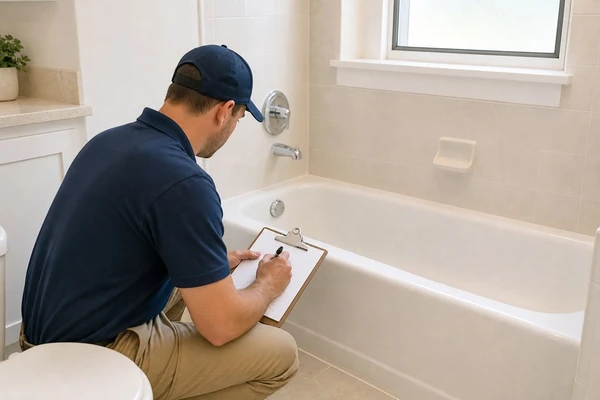
A replacement unit may cost more than reglazing a current fixture, but that’s not the only cost factor to consider. Labor, plumbing, repairs, drywall patching and painting, tile or stone work, caulking, trim, disposal fees, and more add up quickly. It’s helpful to itemize costs and compare like with like to get a handle on total project costs.
Get an in-depth understanding of what’s included in reglazing or replacement costs before you make your final decision. It can be helpful to have a professional look at your unit to assess its condition and provide repair advice, too.
Choose the Repair That Matches the Problem
It’s easy to assume a damaged-looking surface indicates a badly worn-out bathtub, but that’s not always the case. Likewise, an intact finish doesn’t guarantee sound construction. Take time to assess the following issues before deciding whether refinishing or replacement makes the most sense for your particular situation:
- Are there cracks that go through the material of the fixture?
- Does the floor supporting your tub feel sturdy and solid?
- Do adjacent walls or tiles feel loose or flimsy?
- Does your tub leak or drain poorly?
- Is any part of the fixture badly rusted or corroded?
It’s also helpful to understand what removing a worn-out bathtub may reveal. Damaged drywall, old plumbing fixtures, or worn flooring could all mean spending $500 to $1,000 on unexpected repairs and labor costs.
Finally, it’s important to understand the maintenance a resurfaced fixture will need to avoid redoing the process in a couple of years. While reglazing can make an old bathtub look new again, it’s important to care for the new finish. Avoid neglecting cracked caulking and be gentle to prevent scratching, chipping, or otherwise damaging the refinishing with heavy objects or harsh abrasives and chemicals.
When comparing quotes for refinishing or replacing a worn-out bathtub, make sure the estimate itemizes the process. For reglazing, this should include thorough cleaning and preparation, repairing chips or cracks, the actual refinishing, and proper care instructions. Replacing a worn-out fixture may mean plumbing updates, disposing of the old fixture, patching holes left in the drywall after removing the fixture, and tiling and paint to complete the space.
Reglazing provides an inexpensive and timely way to update a tired fixture without digging into major repairs and renovation. Replacing an old, tired, or poorly draining unit could make sense if you’ve already planned on redoing the tile, floors, or walls around the fixture. Avoiding duplicate labor can save a significant sum.





Comments