
 By
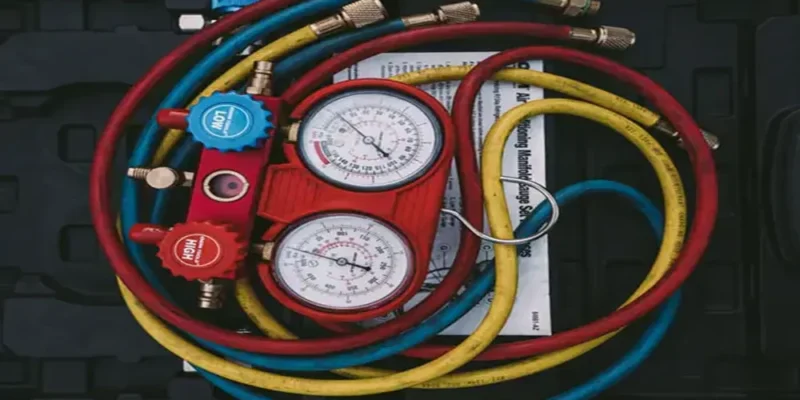
Two HVAC maintenance visits can cost the same, take about the same amount of time, and still have very little in common. In one, a technician swaps the filter, sprays down the outdoor coil, and leaves a sticker on the cabinet. In the other, the technician spends most of the hour taking measurements and comparing them with what the equipment is supposed to do. Only the second visit tells you anything about the health of your system.
That gap matters in the foothills, where air conditioners carry long stretches of triple-digit heat and furnaces sit idle for months before cold canyon nights arrive in December. Equipment here tends to fail at the worst possible moment, usually on the first hot weekend of the year, and most of those failures leave clues weeks or months earlier. A tune-up built around readings is how those clues get caught.
For homeowners setting up Lindora hvac maintenance ahead of the busy season, the family-run crew behind glendorahillsairandheat.com brings 55 years of combined field experience to air conditioner and furnace tune-ups across the Foothills and nearby cities. Whoever you hire, the numbers below are worth asking about, because they separate a real inspection from a quick rinse.
Airflow Comes Before Everything Else
Most cooling and heating problems start with air that is not moving the way it should. A careful technician measures total external static pressure, which shows how hard the blower is working to push air through the filter, coil and ducts. Many residential systems are designed around half an inch of water column. Readings well above that point toward a clogged filter, a dirty evaporator coil, undersized returns or crushed ductwork in the attic.
Static pressure also explains a lot of comfort complaints that homeowners blame on the thermostat. When airflow is choked, the coil can get cold enough to freeze, the blower motor runs hotter, and rooms at the end of long duct runs never catch up.
The blower wheel deserves a look while the panel is off. A thin layer of dust on each curved blade can noticeably cut airflow, and it is one of the most commonly skipped items in a quick visit.
What the Cooling Side Reveals
Once airflow checks out, the refrigerant circuit gets measured. Temperature split, the difference between the air entering the return and the air leaving the supply, is a fast first reading, often landing somewhere between 16 and 22 degrees on a properly working system. A split that is too small or too large is a signal to dig deeper rather than a diagnosis on its own.
The deeper readings are superheat and subcooling. Those numbers, compared with the manufacturer’s target for that specific unit, show whether the refrigerant charge is right and whether the metering device is doing its job. A technician who adds refrigerant without taking these measurements is guessing. It also helps to know that newer systems are built around A2L refrigerants such as R-454B and R-32, while many existing homes still run R-410A, so the technician should confirm what your system uses before anything is added.
Electrical readings round out the cooling check. The run capacitor is tested in microfarads and compared with the rating printed on its label, since a weak capacitor makes the compressor and fan motor work harder long before it fails outright. Contactor points get inspected for pitting and burn marks, and amp draw on the compressor and condenser fan is compared with nameplate values.
Dust, Ash and the Outdoor Coil
The condenser outside sits in some of the dustiest air in the San Gabriel Valley. Santa Ana winds pack the coil fins with fine grit, and fire season can leave a layer of ash that blocks airflow just as surely as dirt does. A proper cleaning works from the inside out where the cabinet allows, so debris is pushed out of the fins rather than driven deeper.
The same conditions make the indoor filter more important than most people realize. During smoky periods, a higher efficiency filter rated MERV 13 can capture far more fine particles, as explained in the AirNow indoor air filtration fact sheet. That upgrade should be checked against your system’s static pressure, though, because a dense filter in a tight return can strangle airflow. This is one more reason the airflow readings come first.
The Furnace Visit Is a Safety Check
Furnace maintenance in a mild climate is easy to skip, which is exactly why it matters. A gas furnace that sits unused for eight months can wake up with a dirty flame sensor, a cracked igniter, or spider webs in the burner ports. More importantly, it burns fuel inside your home, so a heating tune-up is as much about safety as efficiency.
A thorough furnace inspection usually works through a sequence like this.
- Measuring temperature rise across the heat exchanger and confirming it falls within the range printed on the furnace nameplate.
- Checking gas manifold pressure against the manufacturer’s specification, since low or high pressure affects both efficiency and combustion.
- Testing the flame sensor signal in microamps and cleaning the sensor rod if the reading is weak.
- Inspecting the heat exchanger for cracks or rust and checking the flue for proper draft.
- Testing for carbon monoxide in the flue gases and around the appliance.
- Confirming that the high limit switch and rollout switches respond as they should.
If the house has no working carbon monoxide alarms near the sleeping areas, that is worth fixing the same week, whatever the furnace readings show.
Small Parts That Cause Big Calls
Some of the most common summer service calls trace back to parts that cost very little. The condensate drain line and trap clog with algae and sludge, and when the float switch does its job, the system simply shuts off on a hot afternoon. When there is no float switch, the water ends up in a ceiling or closet. Flushing that line and confirming the safety switch actually cuts power takes only minutes.
Thermostats get attention too. A technician should confirm that the reading on the wall matches actual room temperature and that the wiring is solid, especially after a homeowner has installed a smart thermostat. Loose low-voltage connections cause intermittent problems that are hard to track down later.
Homes with ductless mini splits need their own routine. Indoor heads collect dust and moisture on the blower wheel and coil, which can lead to musty smells, so a deeper cleaning of each head is part of a proper visit, along with checking the outdoor unit and condensate path.
Why the Paperwork Matters
A good tune-up should end with written readings, not just a checkmark on a list. Many manufacturer warranties expect proof of regular professional maintenance, and a record of numbers is far more convincing than a sticker on the cabinet.
Those records also become more useful every year. A capacitor that tested slightly low last spring and lower this spring is easy to replace on your schedule instead of during a heat wave. Static pressure that keeps creeping upward points toward a duct or coil problem before it turns into a frozen system. Over time, the readings tell the story of how your equipment is aging, and that story is what turns maintenance from a yearly ritual into a real plan for keeping the house comfortable.






Comments