
 By
By 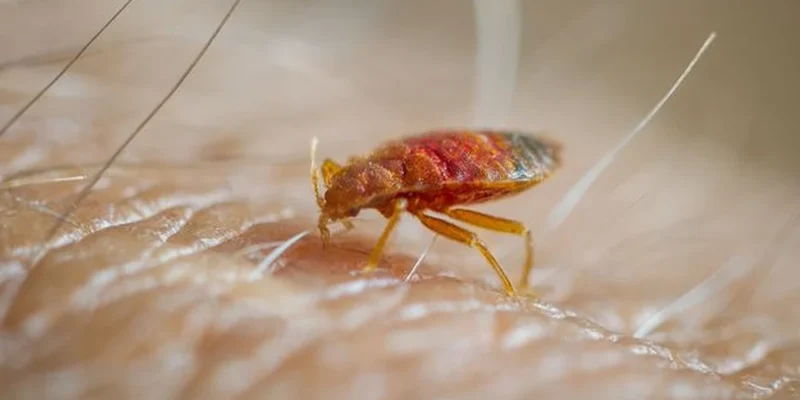
Bed bugs earn their reputation as the hardest household pest to keep out because they travel with people. A female, or even one egg, can ride home in a suitcase or a secondhand chair and start an infestation in a spotless house. Tulsa is no exception. The city’s hotels, apartment complexes, and busy interstates give these insects plenty of chances to move from place to place. Once they reach a bedroom, evicting them is difficult. These bugs feed at night and hide by day, so an infestation can build for weeks before anyone connects the bites to a cause.
Anyone dealing with an outbreak is better off calling for the best bed bug control in Tulsa, OK sooner than later. A trained technician confirms what a homeowner suspects, locates the hidden harborage where the bugs cluster, and applies treatment that reaches the eggs along with the adults. Moving quickly is what keeps a problem in one room from becoming a problem in three.
Bed Bugs Travel First-Class
These insects are expert stowaways. They tuck into luggage after a hotel stay, hide in the seams of used couches and mattresses, and cross a threshold inside a bag brought home from a crowded place. Guests bring them without knowing, and a bargain piece of furniture can turn out to be an expensive one. Theaters, offices, and rideshares can all serve as pickup points as well. Orkin publishes a widely watched annual ranking of the worst U.S. cities for bed bugs, a list that says less about hygiene than about how freely the insects move. Cleanliness is not the issue here; opportunity is. A bed bug can survive months without a meal, so a piece of furniture stored for months is no guarantee it is clear.
Apartments Give Them Room to Spread
Multi-unit housing is where bed bugs travel fastest. They slip along baseboards, follow pipe and wiring runs, and cross into the next apartment through gaps most tenants never notice. Tulsa has no shortage of complexes, and one untreated unit can quietly reseed an entire floor. A serious case in an apartment building calls for a coordinated response, not one neighbor treating in isolation. Left to chance, the bugs relocate and come right back. Shared laundry rooms act as another relay point, passing the insects between residents on clothing and in baskets.
Identifying the Early Warning Signs
Bed bugs often leave signs before anyone sees one. The first clues include:
- Rust-colored specks: small blood or fecal stains that dot the sheets and mattress where the bugs feed and rest.
- Pale eggs: grains about a millimeter long, tucked into seams, folds, and cracks close to the bed.
- Shed skins: the translucent casings nymphs leave behind as they grow, often along a headboard or box spring.
- Rows of bites: welts that line up in a track across skin a sleeper leaves uncovered.
- A musty odor: a faint, sweet smell that becomes noticeable as an infestation grows.
Palisade Pest Control can determine whether these signs point to bed bugs and check how far the infestation has spread. Finding them early can make treatment much simpler.
Why the Hardware-Store Route Disappoints
Most over-the-counter sprays barely dent a bed bug population. They often miss the cracks and seams where eggs hide, and incomplete treatment can send surviving bugs into other rooms. Professional treatment may use heat or targeted products designed to reach different life stages, with a follow-up visit to check for remaining activity. Getting the treatment right from the start can save a household weeks of bites and repeated attempts. Some bed bug populations have also developed resistance to insecticides commonly sold in stores, which can make those products less effective.










Comments