
 By
By 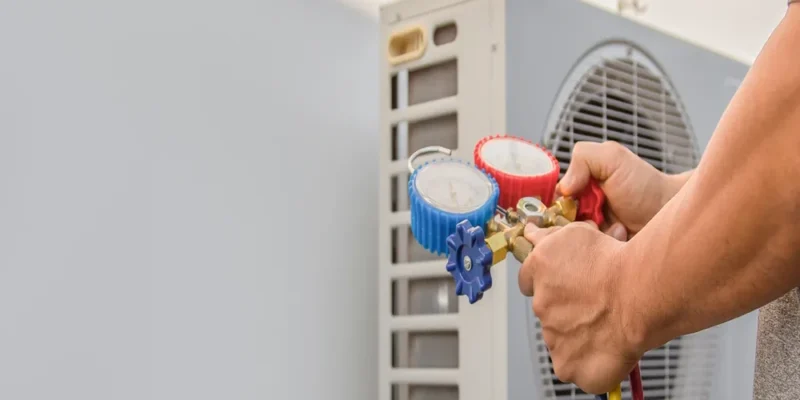
Signs of Low Refrigerant in a Home Air Conditioning SystemWhen an air conditioner starts struggling to cool the house, homeowners often assume the problem is a dirty filter or an aging system. Those are possible causes, but low refrigerant can also affect how well an AC system cools. Refrigerant plays an important role in the cooling process, so when the level is too low, the system may run for longer periods without producing the comfort you expect.Recognizing the early signs can help you address the issue before the system experiences additional strain. Homeowners looking for AC repair for Wallace homes can benefit from understanding what low refrigerant may look like and why the problem shouldn’t simply be ignored.
What Does Refrigerant Do in an Air Conditioner?
Refrigerant is a substance that allows an air conditioning system to move heat from inside the home to the outdoors. It circulates through the system, changing between liquid and gas as it absorbs and releases heat.A properly operating air conditioner is designed to maintain the appropriate refrigerant charge. Unlike fuel, refrigerant isn’t something an AC system should normally use up during everyday operation. If the refrigerant level is low, there is often an underlying issue, such as a leak, that needs to be identified.Simply adding refrigerant may restore performance temporarily, but it doesn’t address why the level became low in the first place.
Your AC Runs Longer Than Usual
One of the first signs of a possible refrigerant problem is a noticeable change in how long the air conditioner runs. The system may continue operating for extended periods while struggling to reach the temperature set on the thermostat.Longer cooling cycles can have other causes, including extreme outdoor temperatures, poor airflow, or an incorrectly sized system. However, if the change is sudden and the home isn’t cooling as effectively as before, the refrigerant level may need to be checked.Pay attention to whether the system eventually reaches the desired temperature. An AC that runs continuously but still leaves rooms warmer than expected deserves further investigation.
The Air Coming From Vents Isn’t Very Cold
Your air conditioner should deliver noticeably cooler air when it is actively cooling. If the air coming from the supply vents feels closer to room temperature than usual, something may be affecting the cooling process.Low refrigerant can reduce the system’s ability to absorb heat from indoor air. As a result, the AC may continue running without producing the same cooling effect you normally experience.This symptom can also be caused by airflow restrictions, dirty components, thermostat problems, or other equipment issues. That’s why checking the overall system is important rather than assuming refrigerant is definitely the cause.
Ice Forms on the Indoor Coil or Refrigerant Lines
Ice or frost around parts of an air conditioning system can be another warning sign. When refrigerant levels are too low, pressure within the system can change, potentially causing the evaporator coil or refrigerant lines to become unusually cold.You may notice frost or ice around the indoor coil, refrigerant lines, or other accessible areas of the system. However, ice doesn’t always mean low refrigerant. Restricted airflow from a dirty filter or other problems can also contribute to coil freezing.If you see significant ice buildup, it’s best to avoid continuing to operate the system and have the cause evaluated. Running the AC while the coil is frozen may contribute to additional problems.
You Notice Water Around the Indoor Unit
When an evaporator coil freezes, the ice can eventually melt and produce more water than the drain system is designed to handle. This may result in moisture around the indoor unit or water collecting where it normally shouldn’t.A clogged condensate drain can also cause water problems, so moisture around the system isn’t automatically proof of low refrigerant. Still, when water appears alongside poor cooling and ice buildup, the combination deserves attention.Ignoring repeated moisture can create separate concerns for the surrounding area, especially if water reaches flooring, walls, or other materials.
Higher Energy Use Can Be a Warning Sign
An air conditioner with low refrigerant may need to operate for longer periods to provide the same amount of cooling. Longer run times can contribute to increased energy use.A higher utility bill alone doesn’t prove that refrigerant is low. Seasonal weather, changes in household usage, insulation, and other factors can all affect energy consumption. But if energy costs rise at the same time that the AC begins running longer and cooling less effectively, it’s worth having the system inspected.Looking at several symptoms together can provide a more useful picture than focusing on one change.
Low Refrigerant Usually Means There Is an Underlying Problem
A common misconception is that refrigerant naturally runs out over time. In a properly sealed system, it should remain within the equipment. If the refrigerant charge is low, there may be a leak or another issue affecting the system.Refrigerant leaks aren’t always easy to find. Some may occur around connections, coils, or other components, and a small leak may not produce an obvious puddle or visible sign.This is why repeatedly adding refrigerant without finding the cause isn’t a complete solution. The system needs to be evaluated to determine where the problem is occurring and what repair may be appropriate.
Don’t Ignore Changes in Cooling Performance
Air conditioning problems often become more noticeable gradually. You might first notice that the bedroom isn’t cooling as quickly, then realise that the system runs longer throughout the day. Eventually, the entire home may feel warmer than normal.Rather than waiting until the AC stops working, pay attention to changes in performance. A sudden decline in cooling, unusual ice buildup, longer run times, or repeated temperature problems can all justify a professional inspection.Addressing an issue earlier may also help prevent the system from operating under unnecessary strain for an extended period.
What Homeowners Can Check Safely
There are a few simple things homeowners can look at before calling for service. Check that the thermostat is set correctly and that the air filter isn’t heavily clogged. Make sure supply and return vents aren’t blocked by furniture or other objects.You can also look at the outdoor unit and remove loose leaves or debris from the area around it, while avoiding contact with electrical components. If you notice ice, water, unusual noises, or other signs of trouble, don’t attempt to dismantle the equipment yourself.Refrigerant-related work requires the appropriate equipment and expertise. A professional can check system pressures, inspect components, and determine whether a refrigerant issue is actually responsible for the cooling problem.
Conclusion
Low refrigerant can cause an air conditioning system to run longer, cool less effectively, develop ice, and potentially use more energy. These symptoms can also have other causes, so it’s important to have the entire system checked rather than assuming refrigerant is the problem.If your AC isn’t performing the way it normally does, paying attention to changes in cooling, run times, ice buildup, and moisture can help you recognise that something needs attention. A proper inspection can identify the underlying cause and help determine the right repair, allowing your cooling system to return to reliable operation.









Comments