
 By
By 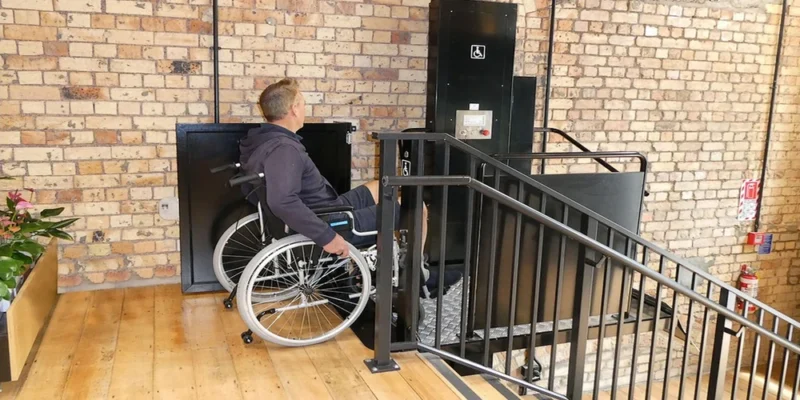
A wheelchair lift is often pictured as a single, fixed metal platform bolted awkwardly to the side of an existing staircase, which undersells the range of configurations actually available for different buildings and budgets. The category covers everything from compact portable units to permanently installed vertical platforms, each suited to a different type of access problem. Looking at wheelchair lift before assuming only one option exists helps a buyer find a better match for the specific level change involved.
Types of Wheelchair Lifts Available
Options include portable ramps and lifts that can be moved between locations, fixed vertical platform lifts for a single level change, and stairway-mounted incline lifts that follow an existing staircase without requiring structural alteration. The right choice depends on whether the access need is temporary or permanent, and whether the building can accommodate a fixed installation at all. Rental options also exist for short-term or recovery-related needs, which can be more cost-effective than a permanent purchase.
Common Locations Where They Are Installed
Typical installation points include a front entrance with a small step up from street level, a change in floor level between a garden and a house, or a short internal staircase separating living areas within a single property. Each location brings different weatherproofing, space, and power supply considerations that should be assessed before a specific product is chosen. A lift positioned near a main entrance also needs to account for foot traffic patterns so it does not become an obstruction when not in use.
Assessing the Level Change Involved
A wheelchair lift needs to be matched to the actual height and configuration of the level change it will serve, since a unit designed for a single low step will not suit a full flight of stairs, and vice versa. Measuring this accurately, including any landing space required at the top and bottom, avoids ordering equipment that turns out to be the wrong fit once delivered. It helps to also note the surface material at both ends, since an uneven or sloped landing can affect how securely the unit sits.
Wheelchair Lifts Compared to Full Home Lifts
Where the access requirement extends beyond a single level change to full movement between multiple floors of a house, it is worth comparing a wheelchair lift against Home Lift Singapore before committing. A wheelchair lift remains the simpler and more cost-effective choice for a single step or short flight.
Weight Capacity and Wheelchair Compatibility
Standard wheelchair lifts are rated for a manual or powered wheelchair plus the user’s weight, though larger mobility scooters or bariatric equipment may require a higher-capacity model specified in advance. Confirming the actual equipment that will use the lift, rather than assuming a standard rating will cover every case, prevents a mismatch discovered only after installation. Manufacturers typically publish maximum combined weight ratings, and exceeding these voids both the safety certification and any warranty coverage.
Power Supply and Backup Operation
Most fixed wheelchair lifts run on standard electrical supply, though many models include a manual override or battery backup so a user is not left stranded during a power interruption. This detail matters most for a lift serving a primary entrance or a route used daily, where an alternative access point may not exist. It is also worth confirming whether the backup system supports a full cycle or only a single emergency descent.
Weatherproofing for Outdoor Locations
An outdoor wheelchair lift needs weatherproof electrics, a corrosion-resistant frame, and a non-slip platform surface capable of handling rain and humidity without becoming a slip hazard over time. Choosing equipment specified for outdoor use, rather than an indoor model installed outside to save cost, avoids a shortened working life and more frequent repairs. A drainage channel around the base platform further reduces the risk of water pooling during heavy rain.
Maintenance Requirements
A wheelchair lift requires periodic servicing to check safety interlocks, cabling, and the drive mechanism, particularly for a unit used daily as a primary access route rather than an occasional convenience. Arranging a servicing schedule at the time of installation, rather than waiting for a fault to appear, keeps the lift reliable for the people depending on it. Keeping a written service log also helps when raising a warranty claim, since gaps in servicing can sometimes be used to dispute coverage.
When a Platform Lift Suits the Site Better
For a slightly larger level change or a location needing to accommodate more than a single wheelchair user occasionally, comparing this option against platform lift is worth doing before finalising a decision. The two categories overlap closely, and the better fit often comes down to the specific site conditions rather than a fixed rule.
Deciding With Confidence
Choosing the right wheelchair lift comes down to an accurate assessment of the level change involved, how the lift will be used day to day, and whether the location demands outdoor-rated equipment. Getting a supplier to assess the site in person before ordering ensures the recommendation is based on actual measurements rather than a general assumption about what a typical entrance or staircase requires. A well-matched lift, chosen this way, provides safer and more reliable access for years.












Comments