
 By
By 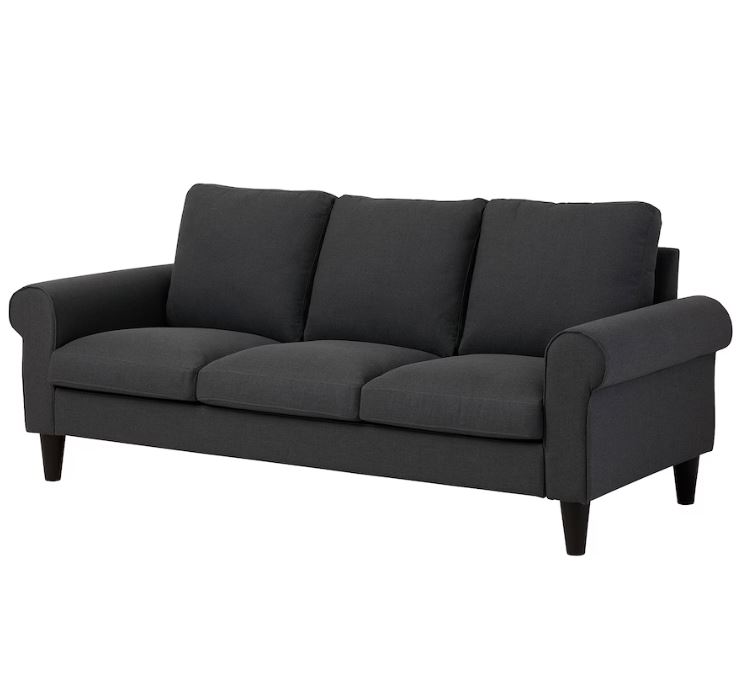
A sofa is more than just a piece of furniture—it’s the centerpiece of your living space. Choosing the right sofa upholstery can make or break the overall look and feel of your home. The art of mixing and matching sofa fabrics, colors, and patterns with your interior decor allows you to create a cohesive, stylish, and inviting environment. If done right, it balances aesthetics, comfort, and personality, turning your living room into a space that truly reflects you.
Understanding the Basics of Sofa Upholstery
Before diving into mixing and matching, it’s important to understand the types of sofa upholstery available. Fabric options vary in texture, durability, and maintenance requirements:
Natural Fabrics: Cotton, linen, and wool are soft, breathable, and comfortable but may require more care to prevent stains.
Synthetic Fabrics: Polyester, microfiber, and acrylic are durable, stain-resistant, and easy to maintain, ideal for homes with children or pets.
Leather and Faux Leather: Luxurious and easy to clean, leather provides a sleek look but can be cold or stiff depending on the quality.
Choosing a base material that complements your lifestyle ensures your sofa remains functional and stylish for years.
Choosing Colors that Complement Your Space
Color is the first thing people notice in a living room. Pairing sofa upholstery with your existing interior palette requires a thoughtful approach. Start by analyzing your room’s wall colors, flooring, rugs, and accessories.
Neutral Tones: Beige, gray, cream, or soft pastels work as versatile bases. They are easy to mix with patterned cushions or vibrant throws.
Bold Colors: Deep blues, emerald greens, or rich burgundies can make a statement sofa the focal point of the room. Balance bold upholstery with neutral walls or subtle decor to avoid overwhelming the space.
Accent Hues: Use complementary colors to tie the sofa with other elements like curtains, artwork, or coffee tables, creating a visually cohesive look.
Remember, colors can also influence the mood of a room. Warm tones evoke coziness, while cool tones create a calm, relaxing atmosphere.
Playing with Patterns and Textures
Mixing patterns is where creativity shines. The key is to balance contrast and harmony:
Scale Matters: Pair large-scale patterns with smaller, subtler designs to avoid visual chaos. For example, a sofa with a bold geometric print can be complemented with small, delicate patterned cushions.
Consistent Color Palette: Even when mixing different patterns, sticking to a cohesive color palette ensures a harmonious appearance.
Textures Add Depth: Combine smooth fabrics with textured options such as velvet, chenille, or knitted cushions. The interplay of textures adds dimension and warmth to your living space.
Experimenting with patterns and textures allows you to express personality while keeping the room visually interesting.
Matching Upholstery with Room Style
Different interior styles demand different approaches to sofa upholstery:
Modern and Minimalist: Opt for sleek, solid-colored sofas with clean lines. Pair with metallic accents, glass furniture, or monochrome rugs for a streamlined look.
Classic and Traditional: Choose rich fabrics like velvet or tapestry with ornate patterns. Add carved wooden furniture or Persian rugs for a timeless appeal.
Bohemian or Eclectic: Don’t shy away from vibrant prints, mixed textures, and layered cushions. Mixing vintage and contemporary pieces works well in this style.
Scandinavian: Neutral upholstery with natural materials like wood and cotton works best. Keep patterns subtle and emphasize comfort and functionality.
Matching your sofa upholstery to the room style ensures that the furniture complements, rather than competes with, the overall decor.
Accessorizing for a Cohesive Look
Cushions, throws, and rugs are powerful tools for mixing and matching. They allow you to tie different colors and textures together without committing to permanent changes:
Cushions: Combine different shapes, sizes, and patterns. A mix of solid and patterned cushions can create a balanced, layered look.
Throws: Draping a cozy throw over the sofa introduces texture and warmth while coordinating with other decorative elements.
Rugs and Curtains: Choose pieces that reflect or complement the sofa’s color palette to unify the room visually.
By strategically accessorizing, even a bold or unconventional sofa can blend seamlessly with your interior decor.
Practical Tips for a Harmonious Mix
Start with one statement piece, such as a sofa or rug, then build the rest of the room’s decor around it.
Stick to a primary color palette of 2–3 shades and introduce accent colors carefully.
Layer textures to add depth and comfort.
Avoid overcrowding the space with too many competing patterns; simplicity often leads to elegance.
Conclusion
Mixing and matching sofa upholstery with your interior decor is both an art and a science. It requires understanding fabrics, colors, patterns, and textures while keeping the room’s style in mind. Done thoughtfully, it transforms your living room into a space that is stylish, comfortable, and uniquely yours.
Whether you’re aiming for modern sophistication, classic elegance, or bohemian charm, the right sofa upholstery Abu Dhabi can be the centerpiece that ties your entire decor together. With careful planning, a mix of textures and patterns, and strategic accessorizing, you can create a living space that is visually appealing, cozy, and reflective of your personality.













Comments